
Understanding High-Frequency Trading and Its Role in Fintech
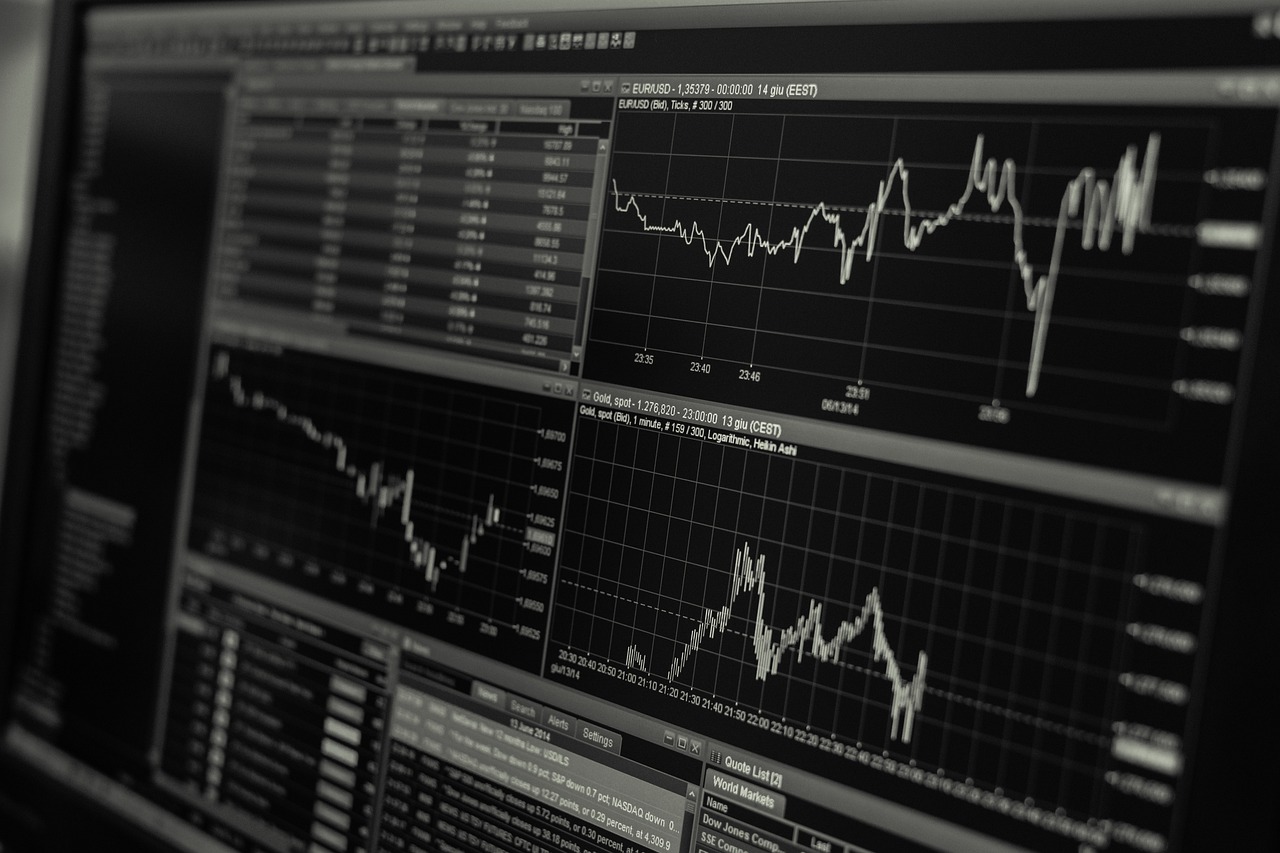
High-frequency trading (HFT) is a specialized form of algorithmic trading that employs sophisticated computer algorithms to automatically execute trades within milliseconds. This advanced trading technique leverages high-speed data feeds and a range of mathematical models to capitalize on minute price discrepancies in multiple financial markets. As fintech evolves, HFT has gained significant attention for its ability to enhance liquidity and decrease trading costs, thereby revolutionizing how trades are conducted in modern markets. The rise of HFT has been facilitated by technological advancements, such as improved connectivity and encryption protocols, which enable rapid transaction execution. Moreover, quantitative analysts continuously refine models to ensure a competitive edge by analyzing historical data for patterns and trends. The practical implication of this trading style extends across various asset classes, including equities, derivatives, and currencies, with firms investing heavily in technology to support their strategies in today’s fast-paced environment. Organisations engaged in HFT closely monitor various factors, including market conditions and regulatory changes, to remain adaptive and compliant while preserving competitive advantages in a volatile marketplace.
HFT strategies primarily focus on statistical arbitrage, market making, and liquidity provision, utilizing algorithms designed to identify quick trading opportunities within fractions of a second. These strategies depend on volume and speed to generate small profits from large quantities of trades, and slight price variations can lead to substantial returns. Traders utilize sophisticated simulation techniques to optimize strategies and minimize risks before actual deployment in live trading environments. Additionally, we must emphasize that HFT is often scrutinized for contributing to market volatility, as its lightning-fast trades can exacerbate price swings. A notable instance was the 2010 Flash Crash, indicating how rapid trading decisions can drastically impact market stability. However, proponents argue that HFT contributes positively through improved market efficiency, tighter spreads, and increased liquidity. This phenomenon has further prompted extensive discussions around regulations that govern the trading environment, including best execution practices and minimum resting times for trades. As regulators and industry leaders seek to strike a balance, ongoing debates center on the appropriate role of HFT in sustaining market function and liquidity.
The Impact of HFT on Market Liquidity
The introduction of high-frequency trading has undeniably transformed market liquidity dynamics. Liquidity refers to the ability to quickly buy or sell financial assets without causing drastic price changes. HFT enhances liquidity by providing constant bid and ask prices, allowing for smoother market operations. This consistent presence helps to narrow the bid-ask spread, benefiting all market participants, particularly retail investors seeking favorable pricing. In essence, the continuous flow of orders ensures that traders can execute transactions readily, fostering a more stable trading environment. Nevertheless, this aspect sparks concerns, mainly around the potential for flash crashes, where sudden withdrawals of liquidity can lead to severe price fluctuations. Critics contend that while HFT promotes liquidity under normal conditions, excessive reliance on algorithmic systems can create fragility. As a response, many exchanges have instituted circuit breakers to temporarily halt trading during extreme price movements, aiming to safeguard against manipulative behaviors. Thus, understanding the interplay between HFT and liquidity is crucial for participants navigating today’s complex market landscape.
As the fintech landscape continues to evolve, so too does the technology that underpins high-frequency trading. Firms are increasingly investing in artificial intelligence (AI) and machine learning algorithms, which allow for heightened predictive analytics and improved decision-making processes. These innovations enable traders to adapt their strategies based on real-time market data, enhancing the effectiveness of HFT strategies. With the growth of big data, firms are capable of processing vast amounts of information at unprecedented speeds. This includes analyzing sentiment from social media, news, and macroeconomic indicators, ultimately refining the trading models and boosting accuracy. Moreover, machine learning algorithms help in identifying patterns that traditional methods might overlook, presenting new trading strategies. Security remains a concern in this rapidly advancing space, as complexities of trading systems and potential cyber threats continue to be paramount. Institutions are now prioritizing their cybersecurity measures, implementing robust frameworks to safeguard sensitive financial data. The resulting interplay between technology and finance illustrates the broader narrative of how fintech innovations propel the growth of high-frequency trading in modern financial markets.
Challenges and Regulations Surrounding HFT
Despite its substantial advantages, high-frequency trading faces a multitude of challenges and increasing scrutiny from regulators. As the financial landscape evolves, regulatory bodies are striving to create frameworks aimed at ensuring fair trading practices while minimizing market manipulation risks. A primary focus is on transparency, encouraging firms to disclose their trading algorithms and strategies, albeit under stringent constraints. The complexity of these algorithms can make it difficult for enforcement agencies to comply effectively with various regulations. Entities such as the Securities and Exchange Commission (SEC) and the Commodity Futures Trading Commission (CFTC) are working on developing rules and policies to foster a more equitable trading environment. Additionally, the implementation of best execution practices compels firms to ensure that orders are executed at the best available price, further complicating the landscape of HFT. These evolving mandates necessitate continuous adjustments from industry players to balance compliance with their trading strategies. Moreover, the debate surrounding fairness in markets raises questions about the ethical implications of HFT and the role of technology in shaping future trading ecosystems.
Educational efforts within the fintech and trading communities are essential to navigate the complex landscape surrounding high-frequency trading. Understanding HFT involves grappling with technological advancements, regulatory developments, and market dynamics that constantly shift. Investors and traders alike must stay informed about the risks and rewards associated with these strategies to make sound decisions. Many resources are now available, including seminars, webinars, and online courses focusing on algorithmic and quantitative trading. These platforms provide valuable insights into market mechanisms, trading strategies, and risk management techniques essential for success. Moreover, fostering collaboration between academic institutions and financial firms promotes knowledge exchange to enhance understanding. This approach aims to prepare current and future traders for the intricate realities of high-frequency trading, providing them with the nurture to explore diverse pathways in fintech. Facilitating discourse amongst professionals enables the sharing of best practices while encouraging innovative thinking. With continued education, stakeholders can remain agile amid a landscape dominated by technological innovation and regulatory fluctuations, ensuring constructive engagement with the future of finance.
The Future of High-Frequency Trading in Fintech
Looking ahead, the future of high-frequency trading appears to be continuously intertwined with fintech’s rapid evolution. Ongoing advancements in machine learning, big data analytics, and blockchain technology are set to reshape the trading landscape profoundly. These innovations promise to improve transparency and efficiency in trade execution while fostering an even more competitive environment. Moreover, the prominence of decentralized finance (DeFi) could present new opportunities and challenges for HFT firms, as traditional trading paradigms shift towards more decentralized marketplaces. In this light, adaptive strategies will become increasingly vital for firms looking to ensure survival and growth in a landscape characterized by fluid dynamics and rapid technology changes. Regulatory considerations will also remain a critical factor, demanding that institutions develop comprehensive compliance strategies that align with evolving policies. The necessity for ethical standards will continue to increase, scrutinizing the implications of algorithm-driven trading actions. Overall, remaining cognizant of these trends and challenges will be paramount for firms aiming to leverage high-frequency trading advantages while remaining responsive to the dynamics of the fintech industry.