
Understanding Crypto Market Capitalization: A Key Indicator
Market capitalization, often referred to as market cap, is a critical metric used to assess the value of cryptocurrencies. It is calculated by multiplying the current price of a cryptocurrency by its total circulating supply. For example, if Bitcoin is priced at $40,000 and there are 18 million Bitcoins in circulation, the market cap would be $720 billion. This figure provides a snapshot of the cryptocurrency’s market liquidity and overall market health. Investors often focus on market cap to gauge a cryptocurrency’s stability and potential for growth. A higher market cap usually signals a more stable and reliable investment, while projects with a lower cap might indicate higher volatility. Understanding market capitalization helps investors make informed decisions about which cryptocurrencies to buy or sell. Furthermore, it allows for more meaningful comparisons among different cryptocurrencies. As the crypto market continues to evolve, market cap remains a key indicator of investor sentiment and market dynamics. By tracking this metric, stakeholders can better navigate the intricacies of the ever-changing cryptocurrency landscape. Any investor should ensure they keep it under consideration when strategizing for their portfolios.
In addition to market cap, understanding the distribution of cryptocurrency supply is essential. The total supply of a cryptocurrency refers to the maximum number of coins that will ever exist in circulation, while circulating supply indicates how many coins are currently available for trading in the market. A significant difference between these figures can impact market cap calculations and the price of each coin. Investors need to look at the inflation rates of cryptocurrency as well, which can affect future valuations. For instance, a coin with a capped supply may create scarcity over time, potentially driving prices higher. Conversely, if a coin is being minted continuously, inflation may dilute its value. Alongside this, the demand for cryptocurrency also plays a vital role in determining price and market cap. The more people are willing to invest in and use a cryptocurrency, the greater its market cap will likely be. Supply and demand dynamics can change rapidly, making vigilance crucial. By analyzing market cap alongside supply metrics, investors can develop a comprehensive view of a cryptocurrency’s potential performance.
Key Indicators and Their Relevance
In addition to market capitalization, several other key indicators offer valuable insights into the crypto market. One such indicator is trading volume, representing the total worth of coins traded within a specific time frame. High trading volume often suggests strong investor interest, indicating that the commodity is actively traded. On the flip side, low trading volumes can imply a lack of interest or liquidity issues. Another critical metric is price action, the movement of a cryptocurrency’s price over time due to various market influences. An analysis of price action can highlight entry and exit points for investors. Additionally, liquidity ratios measure how easily an asset can be converted into cash without significantly affecting its price. Having a high liquidity ratio implies greater buying and selling ease. Furthermore, the volatility index provides insights into price fluctuations, helping investors understand potential risks involved with a particular cryptocurrency. Together, these indicators allow investors to formulate strategies that can align with their investment goals. Assessing these metrics is essential for anyone navigating the cryptocurrency landscape.
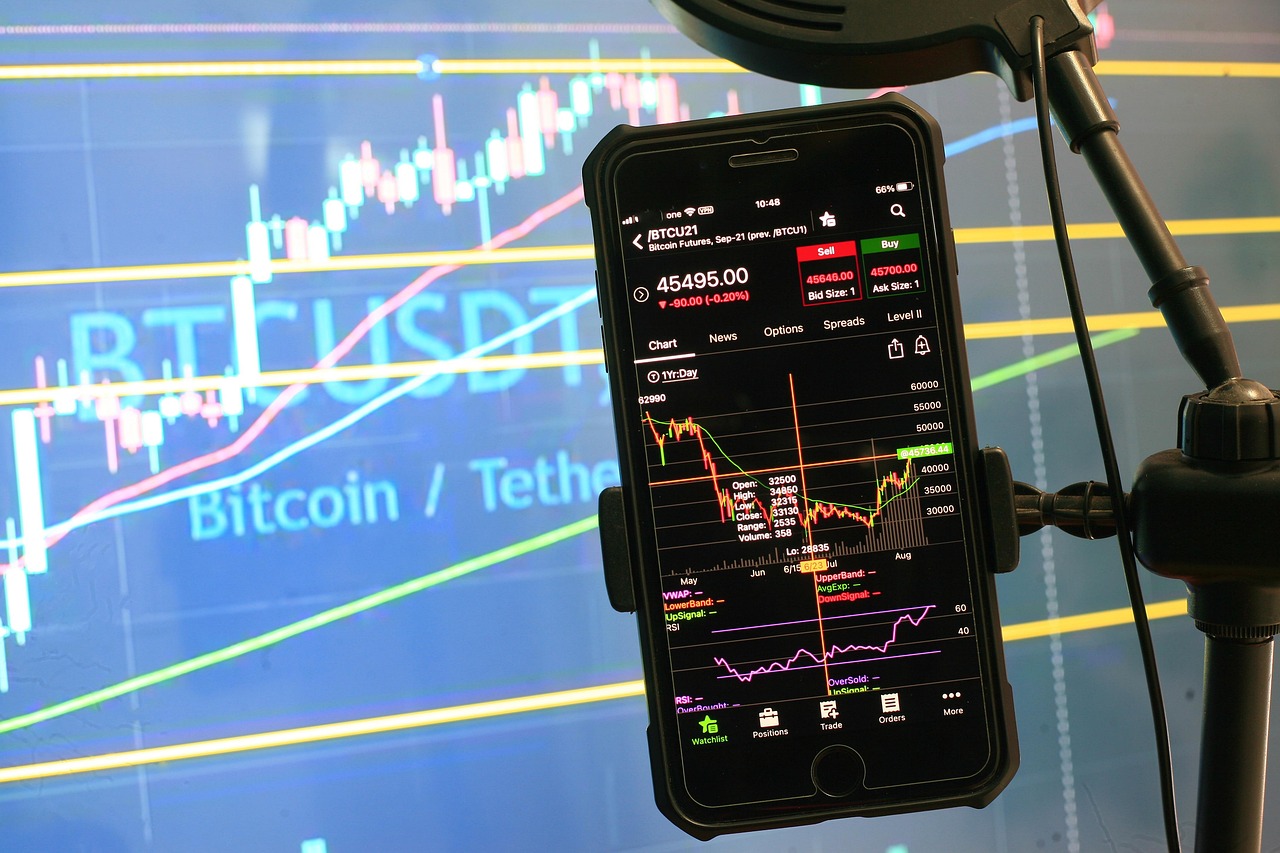
Tracking the performance of cryptocurrencies also involves monitoring their relative strength index (RSI). This technical analysis tool measures the speed and change of price movements, often signaling overbought or oversold conditions in the market. The RSI ranges from 0 to 100, where levels above 70 typically indicate overbought conditions, and below 30 indicate oversold conditions. Utilizing the RSI in conjunction with market cap can provide investors with deeper insights into whether a cryptocurrency is currently undervalued or overvalued. Moreover, market sentiment analysis reflects the general mood of investors towards a cryptocurrency, often influenced by news, social media, and other external factors. These insights can offer predictive indicators of price movements. Investors can use this knowledge in combination with the previously mentioned metrics to make more accurate predictions about future price movements. Although many indicators exist, developing a tailored approach that works best relies on understanding how these metrics interconnect. Skilled traders often apply a blend of various indicators to minimize risks and maximize returns.
Economic Influences on Market Capitalization
Market capitalization is not immune to broader economic influences. Factors such as government regulations, technological developments, and market trends significantly affect a cryptocurrency’s performance. Changing regulatory frameworks can alter the landscape for digital assets, potentially disrupting market flow and investor confidence. For instance, news about regulatory crackdowns may trigger rapid sell-offs, negatively affecting market caps across various cryptocurrencies. On the other hand, positive news such as endorsements from financial institutions can boost market confidence and lead to surges in market caps. Technological advancements in blockchain and digital asset management also play a crucial role. Enhanced security features and transaction efficiencies can increase user adoption rates, positively impacting market cap. As cryptocurrencies become more mainstream, their market caps are likely to reflect growing retail and institutional investments. Furthermore, prevailing economic conditions such as inflation, interest rates, and broader financial trends can create ripple effects across digital assets. Investors should monitor these external factors as they can impact trading behavior and market dynamics, thereby influencing market capitalization.
For long-term investors, understanding these fluctuations in cryptocurrency market caps is crucial for portfolio management. It requires a comprehensive analysis not only of the individual cryptocurrencies but also of the market as a whole. Keeping track of market cap rankings among different cryptocurrencies can provide insights into upcoming trends. Various resources such as CoinMarketCap or CoinGecko present real-time data and visualizations to investors, offering daily updates on market caps across the blockchain ecosystem. By comparing market caps between established coins like Bitcoin and Ethereum with newer projects, investors can identify which assets might be worthy of further exploration. Considering the rapid evolution of the crypto space, thorough research on market cap trends is imperative. Additionally, proactive investors often diversify their portfolios by investing in multiple coins with varying market caps. This strategy allows them to harness the growth potential from large cap, mid cap, and small cap cryptocurrencies. Ultimately, diversification can help minimize risks associated with volatility inherent to the crypto market while optimizing opportunity for returns.
Conclusion: Navigating Market Capitalization
In conclusion, understanding cryptocurrency market capitalization is vital for both novice and experienced investors. Market cap serves as an entry point to assess the overall health of the crypto ecosystem and evaluate investment opportunities effectively. By understanding market cap alongside relevant metrics such as trading volume, RSI, and market sentiment, investors can make informed decisions. Additionally, considering economic factors and technological developments further enriches an investor’s perspective. Always remember that market cap alone might not fully represent the potential or risk associated with a cryptocurrency. Therefore, it is essential to carry out thorough research, following also how emerging trends may influence market dynamics. As with any investment, combining strategic analysis with a clear understanding of one’s financial goals will lead to better investment outcomes in the often unpredictable crypto landscape. Becoming adept at navigating the complexities of market cap, trading trends, and broader economic influences will significantly enhance an investor’s ability to engage in the cryptocurrency market successfully. Investing in cryptocurrencies requires patience, research, and a well-thought-out strategy.
As the cryptocurrency market grows, investing strategies must adapt based on evolving metrics such as market cap. Knowledge and analytical skills become invaluable tools when navigating this exciting yet volatile landscape. Keeping abreast of changing financial regulations and technological advancements will likely remain key components of successful investment strategies. Investors should remain vigilant to market cycles, utilizing their understanding of indicators and market cap to forecast potential opportunities. Practicing prudent risk management while being open to learning and adapting can lead to long-term success. Overall, knowledge is power in the realm of cryptocurrencies, and market capitalization is a cornerstone on which various investment strategies can be built.