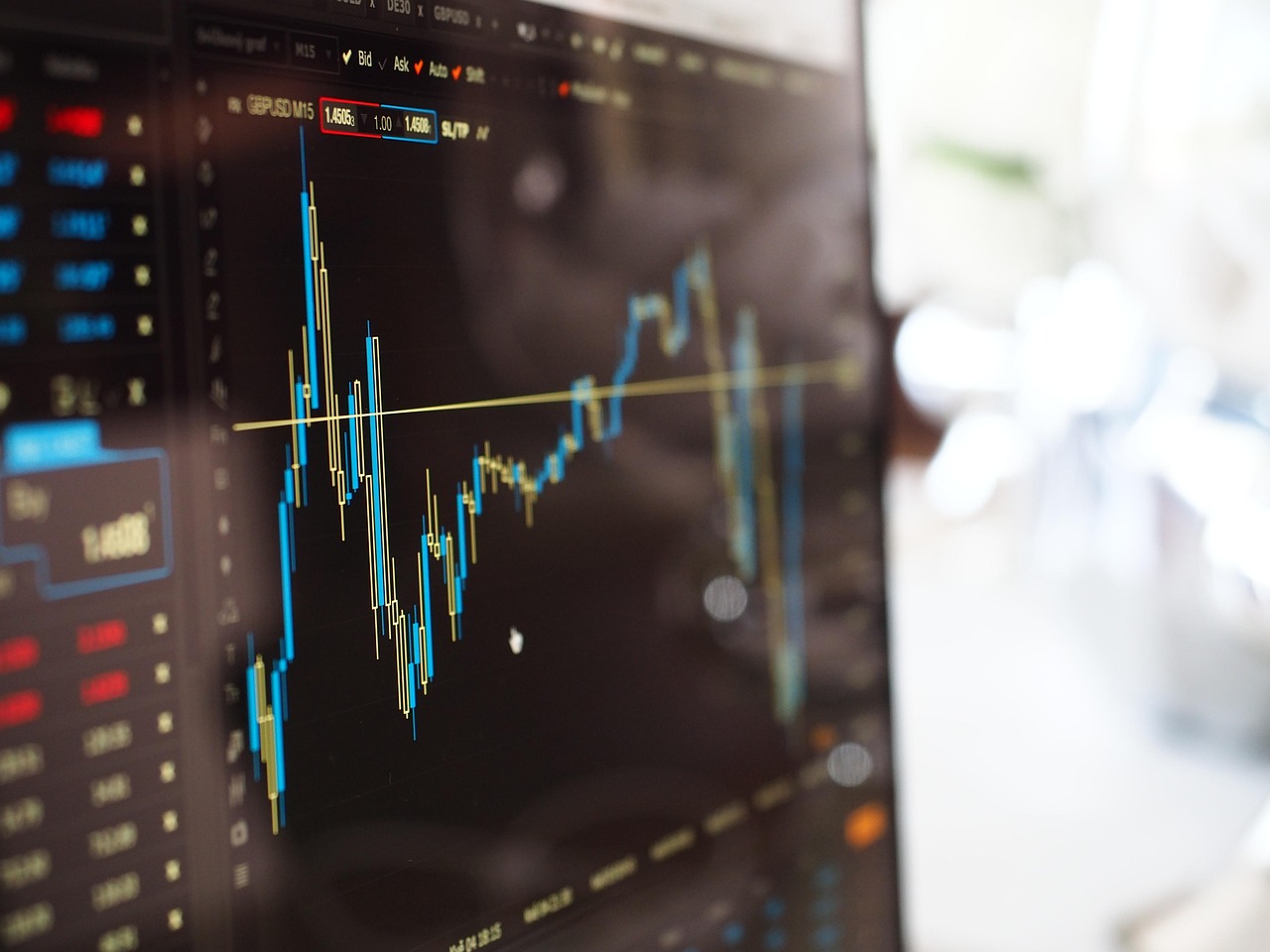

Memes and Their Impact on Financial Market Trends
In recent years, memes have transformed into much more than mere humor; they have become a powerful tool for viral marketing. Their rapid spread across social media platforms has allowed companies to create brand awareness quickly. Particularly in finance, memes have taken on a pivotal role in influencing market trends and consumer behavior. For instance, the rise of meme stocks, driven primarily by platforms like Reddit, showcases how a simple image can evoke significant investor interest. Users share memes that resonate with cultural touchstones or public sentiments, which can rally communities around particular investments. The connections made through these memes often elicit emotional responses, prompting investors to act based on trends. Even mainstream financiers have taken note of the phenomenon, acknowledging the influence of social media on real-world investments. Marketers and analysts are urged to adapt to this new landscape. Adapting to trends is crucial for capitalizing on the viral nature of memes in finance. As a result, understanding their underlying psychology becomes essential for leveraging these tools effectively.
The Phenomenon of Meme Stocks
Meme stocks represent a unique intersection of social media culture and financial investment. When a stock becomes associated with viral memes, it can attract enormous attention and trading volume. Notable examples include GameStop and AMC, where online communities rallied around the stocks, defying traditional market analysis. This unprecedented pooling of interest demonstrates how collective sentiment can disrupt established financial norms. The involvement of prominent figures and influencers further amplifies these trends, as their endorsements can send stocks soaring. Even Hedge Funds experienced unexpected losses due to this phenomenon, revealing vulnerabilities within the system. Important to note, however, is the inherent risk involved in investing in meme stocks, as they can be highly volatile. The initial excitement can quickly fade, leading to sharp declines. Investors may find themselves in financial jeopardy if they buy into the hype without adequate research. Similarly, memes can serve to inform or mislead potential investors, highlighting the need for critical assessment. Ultimately, meme stocks illustrate the evolving landscape of finance, where social media reigns supreme in guiding investment decisions.
Understanding the elements that make memes effective in viral marketing is crucial for businesses. The innate humor, relatability, and cultural context within a meme can contribute significantly to its shareability. A viral meme often transcends geographical boundaries and can be tailored for different audiences. Companies today are leveraging this aspect to cultivate relatable content that resonates emotionally with users. When attempting to engage customers through memes, firms need to balance humor and brand messaging carefully. If a meme becomes overly promotional, it risks losing authenticity, which is vital in the viral marketing landscape. Businesses should focus on creating content that appears organic and engages users in ways that extend brand dialogue. Such strategies have proven effective in attracting younger demographics, who often respond better to humor-infused messages. Furthermore, understanding the lifecycle of memes is essential. A meme can gain traction quickly but may also become saturated, diminishing its effectiveness. Effective marketers constantly analyze meme performance metrics to adjust their strategies accordingly, ensuring their content remains fresh and appealing, thus maximizing the marketing potential of memes in the financial sector.
The Role of Social Media Platforms
Social media platforms play a crucial role in the dissemination and evolution of memes. They provide the necessary tools for users to create, share, and remix content, fostering an environment where memes can flourish. Platforms like Reddit, Instagram, and Twitter have become incubators for meme culture. On these platforms, users can engage in discussions, share experiences, and collaboratively develop memetic content that reflects their collective interests. The algorithms of these platforms can amplify significant trends, allowing memes to reach viral status rapidly, which can directly impact financial markets. As content perception shifts, the information spreads at lightning speed, attracting attention towards specific stocks or sectors. Additionally, these platforms also host communities that drive discussions around financial topics, adding layers of depth to the memes shared within these spheres. This community-driven aspect emphasizes the social nature of financial trading. Users not only invest based on their analyses but are influenced by their peers’ sentiments expressed through memes. Thus, social media and memes work hand in hand, creating a dynamic environment that shapes the landscape of financial market trends.
Another layer to consider with memes in the financial context is their effect on coercive market behavior. As memes encourage rapid buying and selling, they can inadvertently create market bubbles, where stock prices rise disproportionately to their fundamental values. This kind of behavior can be detrimental over time, as prices eventually correct. Novice investors, lured by the excitement of meme culture, may find themselves caught in such bubbles, leading to significant losses when reality sets in. While some investors thrive under these conditions, others face financial ruin due to poor timing and lack of understanding. Hence, caution is ever so essential for those engaging in this phenomenon. Investors must educate themselves about the underlying assets and trends before making decisions influenced by memes. Furthermore, understanding market signals beyond memes could provide a competitive edge. Balanced investment strategies that incorporate traditional analysis methods alongside engagement with memes can ensure more sustainable returns. Thus, as memes continue to influence market dynamics, the responsibility for informed investing remains paramount and should be strongly emphasized.
Future of Memes in Finance
As we move forward, the role of memes in finance will likely expand and evolve. More businesses will harness the power of viral marketing through memes, engaging wider audiences on a deeper level. We may eventually see companies formally incorporating memes into their marketing strategies, employing professionals who specialize in creating such content. The convergence of finance and technology will likely create innovative platforms where memes can seamlessly unite investment opportunities and community sentiment. Additionally, regulatory bodies may begin to take a closer look at the impact of social media trends on financial systems. This scrutiny could lead to new guidelines aimed at protecting investors while still allowing creative expressions such as memes to thrive. Financial literacy will play an essential role, as consumers must learn to navigate this complex landscape effectively. Education initiatives may emerge to equip individuals with the necessary skills for assessing meme quality critically and engaging responsibly in meme-influenced investments. The relationship between memes and finance is dynamic and fluid, and navigating this interaction will demand adaptability and foresight.
In conclusion, memes have introduced a novel phenomenon in financial marketing, marking a shift in how information and sentiments are exchanged in this sector. Understanding their cultural relevance and adaptability is integral for marketers and analysts alike. Businesses need to harness the unique appeal of memes while ensuring their alignment with brand identity and messaging. Investors, too, must recognize the influence of memes on their decision-making and develop strategies that balance cultural resonance with financial prudence. While memes can drive engagement and create excitement, they can also lead to significant risks if not approached cautiously. This new avenue of investment behavior will likely continue growing, shaping future market trends. Both individuals and organizations must be prepared to adapt to this evolving landscape. As technology and communication methods progress, memes will likely become increasingly integrated into financial discourse. By balancing creativity with strategy, the potential of memes as impactful marketing tools is immense. To thrive in this environment, an understanding of the nuances surrounding memes becomes vital for securing financial success.