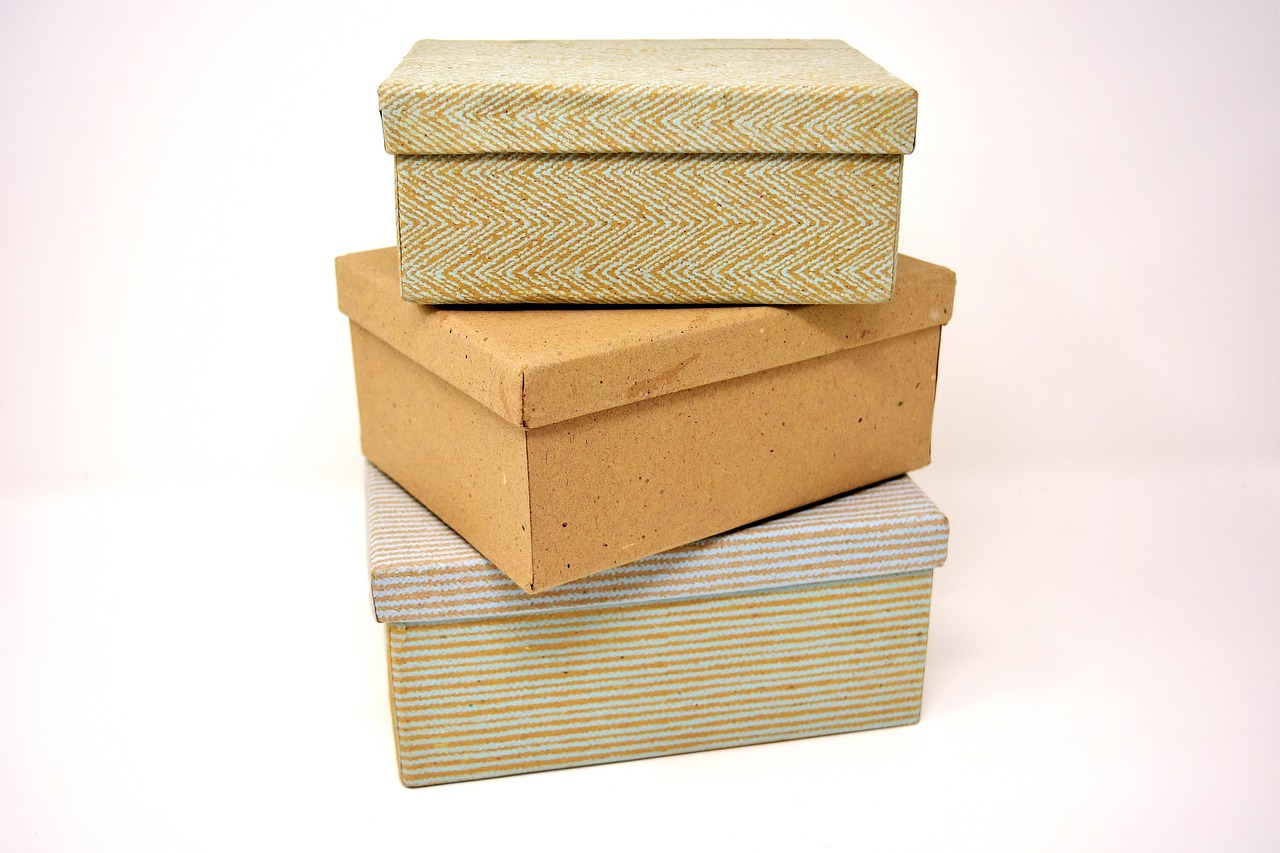

Packaging Materials: Balancing Durability and Aesthetics in Product Launches
In today’s competitive market, product packaging plays a crucial role in the success of any product launch. Companies invest significant resources in creating packaging that not only protects the product but also attracts consumers. The right packaging materials strike a balance between durability and aesthetics, ensuring that products remain intact during shipping and handling. In addition, visually appealing packaging can create a lasting impression and enhance brand recognition. Material choice is critical; options range from environmentally friendly paper and cardboard to robust plastics and glass. The choice influences not only aesthetics but also functionality and cost-effectiveness. Furthermore, sustainable packaging is increasingly important for consumers, prompting brands to reconsider their material usage. Achieving this balance requires careful thought and creativity, as the wrong choice can lead to failed launches. Brands must identify their target audience’s values, which now lean towards sustainability and visual appeal. This article discusses the various aspects companies should consider when selecting packaging materials to ensure the best outcome during product launches.
The Role of Durability in Packaging
Durability is one of the most vital aspects of product packaging, especially for items that might undergo extensive handling and transportation. Strong packaging materials prevent damage, ensuring that products reach their destination in perfect condition, which is particularly crucial for fragile or perishable goods. If durable materials such as reinforced cardboard or high-quality plastics are used, they can significantly reduce the risk of breakage and spoilage, thereby minimizing costs associated with returns and replacements. Additionally, products that withstand environmental conditions attract more trust from consumers. Customers expect that their purchases arrive safely, leading to positive reviews and loyalty. In sectors like food and beverages, food-safe and robust packaging helps maintain product integrity while maximizing shelf life. To achieve effective product protection, manufacturers must conduct extensive testing on different materials. These tests help in determining whether the chosen packaging can sustain impacts and variations in temperature. Balancing durability with aesthetic requirements poses a challenge, requiring innovative solutions from packaging designers. As customer expectations continue to evolve, businesses must adapt to these challenges to maintain competitiveness in the market.
Aesthetics also play a critical role in creating packaging that attracts attention on retail shelves. Unique designs and attractive colors can significantly impact consumer behavior, making an otherwise mundane product stand out. A well-designed package not only enhances the aesthetic appeal but also conveys brand values and story effectively. The use of textures, such as matte finishes or embossing, further elevates a product’s presentation, prompting consumers to engage with it. Effective branding through design elements can evoke emotional responses and establish connections with the audience. For instance, a luxury product may employ elegant gold or silver foil accents to communicate quality and exclusivity. In contrast, eco-friendly brands may leverage earthy colors and minimalistic designs to appeal to environmentally conscious consumers. Research shows that attractive packaging can increase sales by up to 30%. Thus, investing in visually appealing designs isn’t merely a luxury; it’s a necessity for success. Consideration of color psychology can greatly influence consumer perception, leading businesses to select hues that resonate with target demographics. Overall, aesthetics significantly contribute to a product’s marketability, especially during launches.
Choosing the Right Packaging Materials
Selecting the right packaging materials depends on various factors, such as the type of product, target audience, and distribution channels. For instance, delicate items like glassware may require materials that provide cushioning, such as bubble wrap or foam inserts. In contrast, heavy-duty products might benefit from reinforced cartons or shrink-wrapped packaging to secure contents effectively. Security features, such as tamper evident seals or moisture barriers, enhance trust and protect product integrity. Another factor affecting materials choice is sustainability; brands increasingly seek compostable or recyclable options to meet consumer demand for eco-friendly products. This decision aligns with corporate social responsibility initiatives that resonate with an environmentally conscious audience. Additionally, packaging must comply with regulations specific to industries, such as food packaging being safe for direct contact with consumables. Thus, understanding its target market and regulatory constraints is essential for making appropriate material choices. While cost is also a concern, the long-term benefits of selecting the right packaging often outweigh the initial investment. Therefore, businesses should conduct thorough research to identify the best materials for their product launches.
The cost of packaging materials can also significantly affect overall production expenses. Companies must find a balance between affordability and quality to avoid compromising either aspect. Value-driven solutions are critical; utilizing cost-effective materials that do not sacrifice durability or appeal ensures longevity for product launches. Bulk purchasing can help minimize costs while maintaining quality standards. New technologies and innovations in packaging materials often present affordable solutions. Brands can explore alternative materials or processes that offer efficiency and savings. For example, using biodegradable materials may have a higher upfront cost but can yield long-term savings through increased consumer loyalty and regulatory benefits. Trimming excess packaging is another approach to minimize costs while appealing to environmentally conscious consumers; minimal packaging can also reduce shipping expenses. Moreover, utilizing design software can assist in streamlining the packaging design process, cutting unneeded expenses. Focusing on value in packaging strategies ensures that consumers perceive products as high-quality offerings. Consequently, brands must develop a comprehensive understanding of their target market to optimize packaging expenditure during launches.
Environmental Considerations in Packaging
As consumers grow increasingly environmentally conscious, brands must adopt sustainable practices in their packaging choices. Eco-friendly packaging is more than a trend; it is a necessity that aligns with consumer expectations and global sustainability goals. Materials like recycled cardboard, biodegradable plastics, and refillable containers contribute to minimizing environmental impact and resonate well with consumers. Implementing sustainable packaging strategies can enhance brand loyalty and attract new customers who prioritize environmentally friendly products. Many brands now make it a point to communicate their sustainability efforts on packaging clearly, further appealing to eco-conscious consumers. Compliance with regulations regarding packaging waste and recyclability is also crucial. Brands must stay informed about pertinent regulations to avoid potential liabilities while showcasing their commitment to sustainability. Recycling symbols and clear disposal instructions can aid in informing consumers and encouraging responsible behavior. As markets shift towards greener alternatives, companies that prioritize environmental responsibility are likely to gain a competitive edge. However, it’s essential that sustainability efforts do not compromise product quality or safety. A successful balance between eco-friendliness and practicality is vital for lasting market success.
Finally, effective communication through packaging is imperative for brands. Clear messaging about the product’s features, benefits, and usage instructions can facilitate better consumer understanding and engagement. Additionally, visually appealing labeling, alongside necessary product information, reinforces brand identity and aids recognition at point-of-sale locations. Packaging can serve as a powerful marketing tool, creating a narrative that resonates with consumers while showcasing the brand’s mission. Interactive elements, such as QR codes, can direct consumers to additional resources, fostering deeper connections. Modern marketing strategies increasingly integrate packaging design to enhance overall customer experiences, often creating memorable encounters that encourage repeat purchases. To this end, maintaining consistency in design across various product lines helps solidify brand recognition. Brands should prioritize responsiveness to consumer feedback to improve future packaging iterations continually. Regularly updating designs based on trends and consumer preferences ensures relevance in fast-paced markets. Overall, successful product launches hinge on carefully crafted packaging that blends durability, aesthetics, sustainability, and effective communication.