
Retail Marketing Innovation Through Contactless Payment Technologies
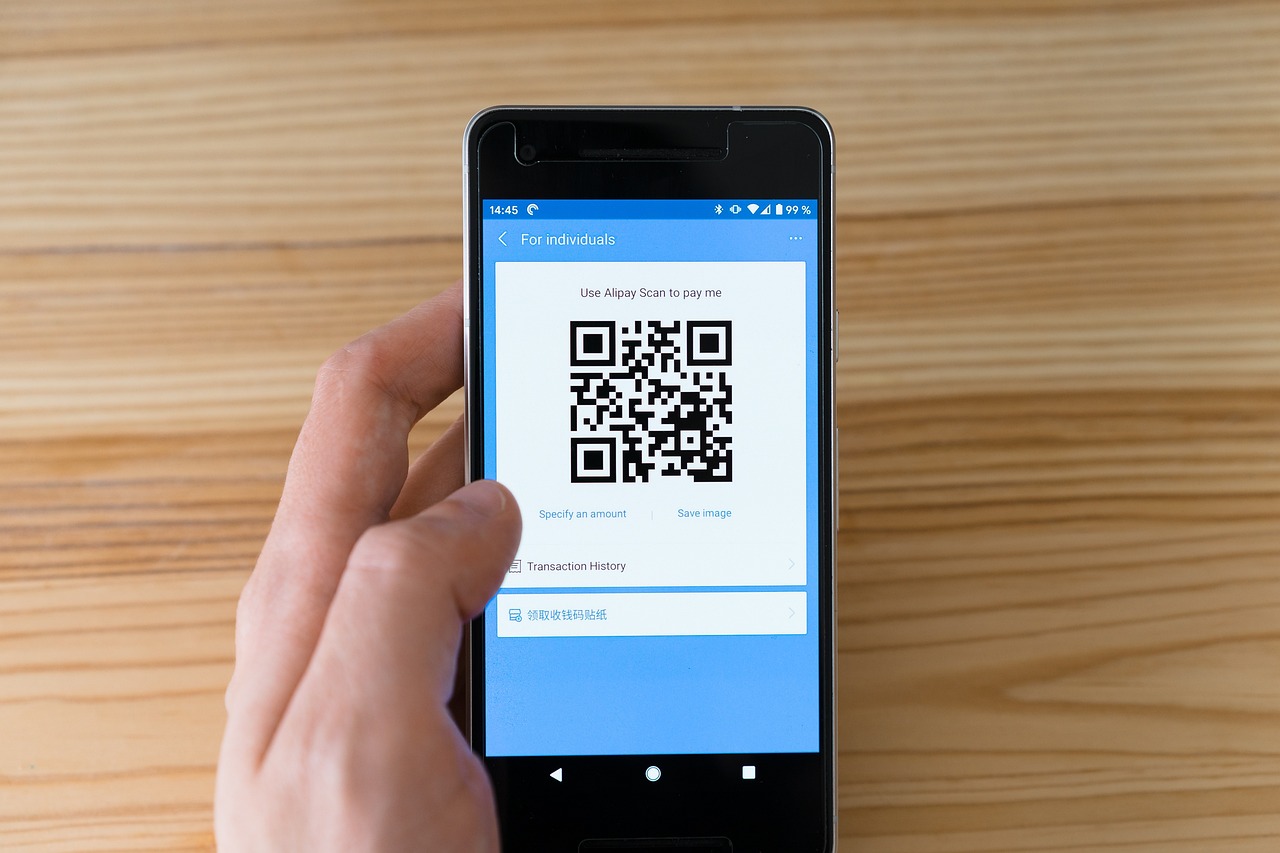
In recent years, the retail landscape has significantly transformed, primarily driven by technological advancements. Among these, contactless payment technologies have emerged as a game-changer in retail marketing. Shoppers increasingly prefer these quick and efficient payment options, which enhance their overall shopping experience. Retailers, in turn, are adopting these technologies to not only streamline transactions but also to gather data that can personalize marketing efforts. The transition to contactless solutions offers retailers the opportunity to engage customers in innovative ways. For instance, implementing mobile wallets allows for targeted promotions based on shopping patterns. Retailers can now utilize transaction data to better understand customer preferences, leading to improved inventory management and product placement. Additionally, contactless payments can help reduce long queues, often a major pain point during high traffic periods in stores. This efficiency fosters a more pleasant shopping atmosphere, encouraging increased foot traffic and customer loyalty. Ultimately, embracing contactless technologies enables retailers to remain competitive and meet the rising expectations of today’s consumers.
The pandemic has accelerated the adoption of contactless payment solutions among consumers and retailers alike. As health and safety became priority concerns, contactless payments provided a feasible alternative to traditional transactions. Retailers who had already integrated such technologies witnessed less disruption in their operations during lockdowns. The contactless payment trend is expected to continue growing post-pandemic, fundamentally altering consumer behavior. Shoppers have experienced the convenience of these payment methods, leading to a sustained demand for their availability in retail settings. Furthermore, many brands are now actively marketing their commitment to health standards by promoting contactless transactions. This directly ties into broader retail marketing strategies emphasizing consumer safety. Retailers are leveraging social media and targeted ads to highlight their sanitation measures and the security of contactless options. Skills in digital marketing have become a necessity for retailers hoping to take full advantage. This also includes educating customers on how to effectively use these technologies, ensuring a seamless shopping experience. As a result, retailers are not just adopting technologies; they are also reshaping their marketing narratives around consumer expectations.
Consumer Behavior and Payment Methods
In today’s marketplace, understanding consumer behavior is crucial for retailers. The shift towards contactless payment methods is reflective of broader trends in customer preferences. Research indicates that consumers favor convenience and speed, particularly in an age characterized by instant gratification. Retailers must adapt to these preferences by incorporating contactless payment options into their strategies. By offering seamless transactions through various platforms, businesses can improve customer satisfaction and retain loyalty. Notably, younger consumers, such as Millennials and Gen Z, are leading this trend, largely due to their comfort with technology. They expect quick and efficient solutions for their shopping needs. Retail analytics can provide insights into these behavioral shifts, enabling companies to tailor their marketing efforts accordingly. Understanding which demographics prefer contactless payments allows for optimized promotional strategies. Additionally, retailers can invest in training employees on preferred payment technologies, improving customer service. The right marketing messages drastically enhance engagement with customers, forging stronger connections. Ultimately, by harnessing data on customer payment preferences, retailers can craft a more compelling shopping experience. This not only drives sales but also meets evolving consumer demands effectively.
The integration of contactless payments opens doors for retailers to innovate their approach to promotions. By leveraging technology, businesses can deliver personalized marketing campaigns directly to consumers’ mobile devices. Retailers can send tailored offers and discounts to customers who utilize contactless payments, creating an incentive for adoption. Geolocation technology allows them to target specific customers while they are in-store or nearby, dramatically increasing the effectiveness of marketing strategies. Furthermore, integrating loyalty programs within mobile wallets provides a seamless way for customers to accrue and redeem rewards. The result is a more engaging and rewarding shopping experience, enhancing customer retention over time. Retailers can also employ A/B testing to assess the impact of various promotional tactics, optimizing customer engagement strategies. Regular analysis of transaction data will inform future campaign developments, ensuring they resonate with the target audience. Successful implementation of these strategies requires collaboration between marketing teams and technology specialists. By aligning their efforts, retailers can maximize the potential of contactless payment systems, ultimately leading to a more prosperous retail ecosystem. Thus, it is essential for retailers to embrace innovation and evolve their marketing tactics accordingly.
The Role of Security in Payment Technologies
Security concerns are paramount when discussing contactless payment technologies. Consumers are increasingly aware of the risks associated with digital transactions. Retailers must address these concerns to foster trust and encourage widespread adoption of contactless methods. Implementing robust security features, such as encryption and tokenization, plays a vital role in safeguarding customer data. Additionally, educating consumers about the safety of contactless payments can help mitigate fears. Transparent communication regarding security measures builds credibility and reassures customers. Regularly updating and auditing payment systems are also critical steps retailers should not overlook. This proactive approach demonstrates a commitment to consumer safety, enhancing brand reputation in the process. Moreover, retailers can utilize cybersecurity software to monitor for vulnerabilities continuously, ensuring they stay one step ahead of potential threats. Establishing a secure environment not only supports customer confidence but also encourages repeat business. Retailers investing in security also realize long-term cost savings by preventing fraud. As consumers increasingly prioritize security, retailers must be on the frontline, proactively addressing these issues to facilitate a smooth transition to contactless payment methods.
In addition to consumer safety, enhancing the overall retail experience is a crucial aspect of contactless payment technologies. Retailers are balancing efficiency with effective customer interaction to foster brand loyalty. The key lies in creating a friendly atmosphere where technology complements, rather than replaces, personal engagement. Staff training is essential to ensure employees can assist customers who may be unfamiliar with contactless options. Moreover, adequately placed signage can help guide customers through the payment process, making it feel intuitive. Engaging customers with informative content about the benefits of contactless technology fosters a sense of community. Retailers can create focused marketing campaigns that emphasize the ease and security of these payment methods, allowing them to stand out in a crowded marketplace. Promotions and educational content can take various forms, including videos and blog posts. These strategies lead to repeat business as customers feel empowered in their shopping journey. Retailers must remember that while technology streamlines purchasing, genuine human connection remains invaluable. The retail experience should blend innovation with personalization, ensuring consumers feel valued at every touchpoint.
Future of Retail Marketing with Contactless Payments
As contactless payment technologies continue evolving, so too will retail marketing strategies. The future presents endless possibilities for innovation, merging digital experiences with traditional shopping. Retailers can explore augmented reality to enhance customer engagement during the shopping process. By integrating contactless payments with AR, retailers can offer an engaging and interactive experience, captivating younger demographics. The integration of Artificial Intelligence (AI) can further revolutionize how retailers analyze consumer data, leading to increasingly personalized experiences. This data-driven approach enables precise targeting and understanding of consumer habits. Moreover, the growth of e-commerce necessitates a seamless connection between online and in-store payments. Retailers must focus on an omnichannel strategy that integrates contactless payments across all platforms, enhancing consumer convenience. As more retailers embrace these technologies, competition will drive further innovation. This will likely lead to new and improved customer-centric solutions. Retail marketing will ultimately evolve to leverage these advancements, ensuring brands remain relevant and appealing to their consumers. Retailers committed to continuous innovation will navigate the future landscape effectively and prosper in the ever-changing retail environment.
In summary, the shift towards contactless payment technologies is reshaping retail marketing dynamics. From understanding consumer behavior to implementing robust security measures, retailers are embracing innovation to thrive. The power of personalization and data-driven strategies will continue to redefine the shopping experience. Retailers must remain agile and responsive to ongoing developments while continuously adapting their marketing efforts. As technology progresses, the retail industry will undoubtedly explore new ways to enhance customer interactions. Furthermore, the collaboration between marketing and technology teams will become crucial for success. Ultimately, the integration of contactless payments is more than a trend; it represents a fundamental shift in how consumers engage with brands. By positioning themselves strategically within this landscape, retailers can cultivate loyalty and drive business growth. As contactless payments gain further traction, it is essential for businesses to create a holistic retail experience that encompasses innovation, security, and personalization. The path forward requires every stakeholder to adapt and evolve with customer expectations. Therefore, investing in contactless payment technologies will pave the way for a resilient and effective retail marketing strategy.