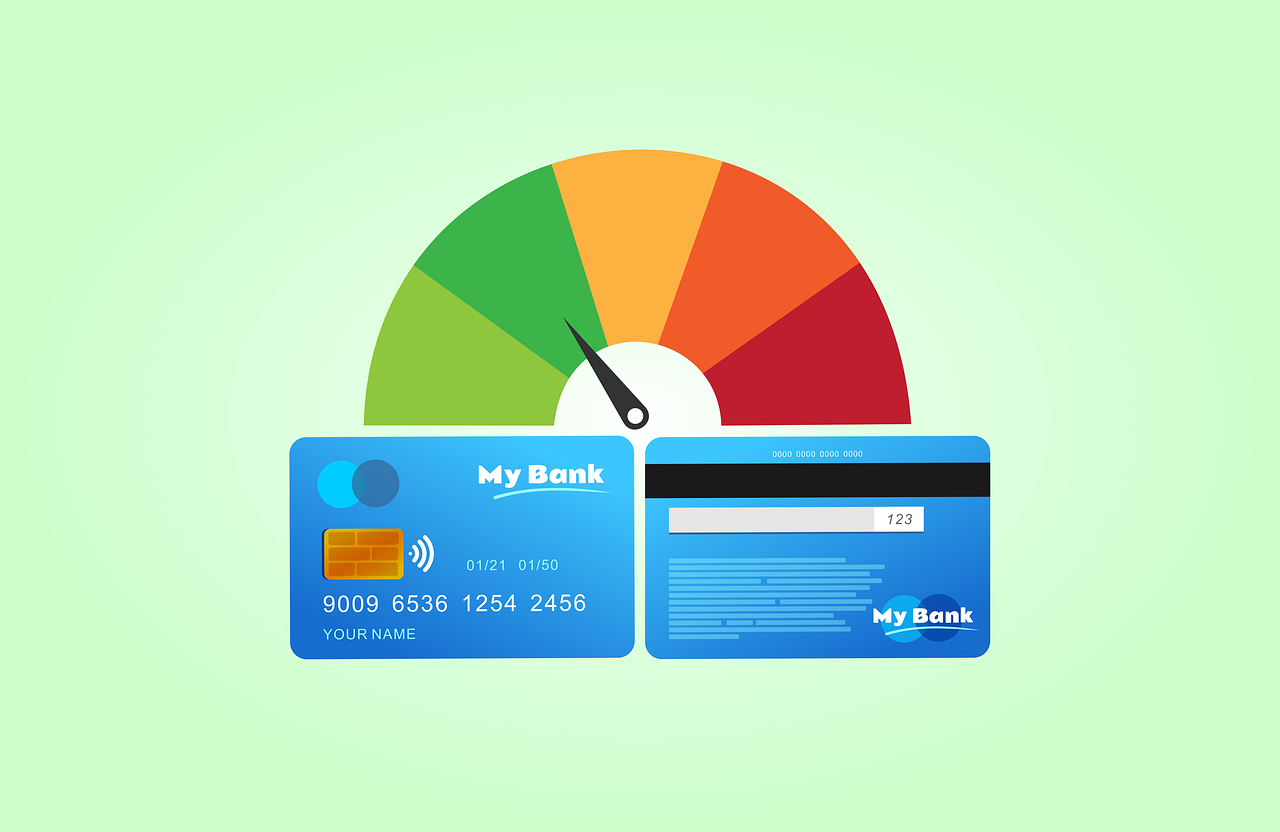

Credit Compliance Risk Indicators: Identification and Mitigation
In the field of credit management, adhering to compliance regulations is of utmost importance. Institutions must identify potential risk indicators that could jeopardize their credit operations. These indicators can stem from inadequate policies, improper training, or insufficient monitoring mechanisms. By understanding these risks, companies can take proactive measures to ensure they meet compliance requirements. Effective identification involves involving various stakeholders across departments, enhancing communication, and fostering a compliance culture. Regular audits and feedback loops can also help pinpoint areas of concern. Institutions must prioritize transparency and awareness among staff to prevent compliance breaches. Continuous education on compliance requirements is essential as regulations evolve. This proactive approach not only mitigates risks but strengthens the overall credit management framework. Utilizing technology to monitor transactions and flag unusual activities can aid in the compliance process. Risk indicators, such as fluctuating credit scores and late payments, need immediate attention. In sum, a robust risk management strategy allows organizations to comply effectively and maintain healthy credit operations.
Understanding the Importance of Risk Indicators
Identifying credit compliance risk indicators is crucial for organizations to maintain industry standards. Failure to recognize these warning signs can lead to significant financial and reputational repercussions. Regulatory bodies continuously update compliance requirements, necessitating constant vigilance. Organizations must stay abreast of these changes to ensure adherence. Metrics may include the percentage of overdue accounts or instances of reported fraudulent activities. Tracking these metrics allows organizations to mitigate risks proactively. Additionally, conducting regular training for employees is vital in enhancing awareness of potential risks. When staff are educated about compliance protocols, they become integral to safeguarding compliance initiatives. They are more likely to recognize suspect behaviors and report them. Moreover, developing a structured approach to compliance can streamline operations. It enables organizations to focus on risk assessment and ensure all facets of credit management are covered. Collaboration among departments can also enhance the identification of risk indicators. Establishing a cross-functional team dedicated to compliance can lead to better risk awareness and timely interventions to forestall potential breaches.
Effective communication about risk indicators enhances overall compliance. When organizations create open dialogues surrounding compliance risks, all employees can contribute invaluable insights. Such communication fosters a culture of shared responsibility. Regular reporting systems that outline risk levels can keep everyone informed and engaged. Including employees in discussions concerning compliance and risk management empowers them. Empowered employees are more likely to be vigilant and proactive about compliance issues. Therefore, clear communication channels and structured meetings become essential in promoting compliance awareness. Deploying technology for real-time data sharing can also reinforce this communication. For instance, using dashboards to monitor compliance indicators can provide an easily digestible overview of compliance status. These dashboards should serve as a quick reference tool for identifying risks. Importantly, organizations should also celebrate compliance successes and improvements. Acknowledging individual and team efforts can further encourage compliance-oriented behaviors. Incentives for reporting risks or improving compliance practices can be beneficial. A culture of recognition fosters ongoing vigilance toward regulatory adherence and risk management, ultimately strengthening the organization’s credit compliance posture.
Analyzing data trends over time represents another vital aspect of identifying credit compliance risk indicators. By collecting and analyzing historical data, organizations can uncover patterns that signal potential issues. For example, a consistent rise in late payments may indicate underlying problems with credit assessment or borrower capabilities. Understanding these trends allows organizations to adjust their credit policies accordingly. Reporting these trends to senior management can inform strategic decision-making. Employing advanced analytics tools enhances the ability to spot deviations. This analytical approach mitigates risks and strengthens overall compliance strategies. Regular review meetings should focus on updating risk indicators based on recent findings. Prioritizing updates in compliance training programs allows employees to stay informed about new risks. Consideration of external economic factors is also critical in analysis. A changing economic landscape can introduce new risks and alter the credit landscape significantly. Therefore, organizations must be agile in their compliance efforts, adopting flexible frameworks to accommodate evolving conditions. Engaging in scenario planning can also prepare organizations for potential credit challenges. By anticipating and preparing for these changes, organizations can mitigate risks and enhance compliance management.
Developing robust policies around credit compliance should encompass a comprehensive risk assessment framework. Organizations need to establish processes for regular reviews of compliance policies, ensuring they align with regulatory changes. Documenting and disseminating these policies across the organization is essential for adherence. Employees must clearly understand their responsibilities concerning compliance and associated risks. A compliance policy should outline roles, reporting procedures, and disciplinary actions for non-compliance. Furthermore, organizational leadership must lead by example. They should consistently emphasize the significance of compliance in daily operations. Engaging training sessions that highlight these policies solidify understanding and encourages compliance. Additionally, incorporating case studies and real-life scenarios in training can reinforce learning. This approach creates relatable contexts that enable employees to grasp the implications of non-compliance. An internal compliance team should be established to oversee these policies and facilitate statewide adherence. Continuous evaluation of policies along with employee feedback will ensure effectiveness. As regulatory standards change, policies must evolve to reflect best practices. This agile policy approach contributes to a proactive and vigilant compliance environment.
Implementing Technology in Compliance Management
Leveraging technology enhances credit compliance risk management significantly. Automated systems can facilitate data collection and enhance reporting on risk indicators. Utilizing software allows organizations to track compliance in real-time. Automated alerts can notify stakeholders when certain thresholds are met, requiring prompt attention. Such proactive measures boost effective compliance management by mitigating risks before they escalate. Additionally, technology can assist organizations in maintaining accurate records of compliance activities. Digital documentation facilitates easy retrieval during audits, showcasing adherence to regulations. Moreover, investing in sophisticated analytics tools provides deeper insights into risk trends. Predictive analytics can identify potential compliance issues by analyzing vast datasets. Training staff in utilizing these technological tools is equally essential. With adequate knowledge, employees can leverage technology to manage compliance proactively. Organizations should also consider integrating compliance technology into existing systems. Ensuring seamless implementation improves user experience and encourages engagement. Regularly assessing the effectiveness of such technology systems ensures alignment with organizational objectives. By adopting a forward-thinking technology approach, organizations can enhance their credit compliance risk management capabilities.
In conclusion, credit compliance risk indicators play an essential role in effective credit management. Their proper identification and monitoring contribute significantly to achieving compliance objectives. Organizations must develop strategies involving communication, technology, and ongoing education to enhance their approach to compliance management. Engaging employees at all levels fosters a culture of compliance that supports risk mitigation. Furthermore, proactive analysis of risk indicators combined with robust policy frameworks lays the groundwork for consistent compliance success. Organizations that prioritize these practices position themselves favorably amid evolving regulatory landscapes. In an ever-changing financial ecosystem, adaptability is key to effective credit management. Hence, ongoing evaluations and revisions of compliance strategies should become a standard practice to guard against potential infractions. Establishing strong interdepartmental collaboration increases insights into compliance risks and reinforces a united organizational stance toward compliance. By refining their compliance processes continually, organizations can cultivate trust with stakeholders and regulators alike. This trust becomes paramount in ensuring sustainable credit practices and fulfilling customer expectations.