
Using KPI Dashboards to Monitor B2B Marketing Performance
In the highly competitive world of B2B marketing, key performance indicators (KPIs) play a vital role in tracking and enhancing marketing effectiveness. These indicators help businesses to evaluate their strategies, identify weaknesses, and leverage strengths to improve overall performance. Thus, KPI dashboards emerge as powerful tools, providing visual representations of data that make it easier for marketers to analyze key metrics. By implementing these dashboards, organizations can concentrate on relevant data that tracks the effectiveness of their marketing efforts. Marketers can choose from various KPIs such as website traffic, leads generated, and conversion rates, which are essential in determining campaign success. Effective dashboards combine these KPIs into an accessible format that allows teams to visualize real-time results. Furthermore, they possess the flexibility to adjust as needed, enabling marketers to focus on immediate goals and react to dynamic market conditions. As businesses pursue growth, KPI dashboards ultimately provide the insights necessary for informed decision-making and strategy refinement, leading to enhanced performance and return on investment (ROI). This data-centric approach is essential for achieving success in the B2B marketing landscape.
One of the key advantages of utilizing a KPI dashboard is the ability to monitor multiple metrics simultaneously, offering a holistic view of marketing performance. A dashboard can incorporate various KPIs, demonstrating trends, forecasts, and strategic outcomes in one unified interface. This accessibility increases the efficiency of data analysis, making it faster for marketing departments to identify underperforming campaigns or areas requiring immediate attention. When data is displayed visually, it allows teams to engage more readily with the information presented, enhancing their understanding of performance factors. Furthermore, using a KPI dashboard fosters a data-driven culture among team members, encouraging everyone to rely on solid metrics rather than gut feelings when making marketing decisions. Marketers can share insights across departments, promoting collaboration and informed discussions. Ultimately, the adoption of such dashboards aids businesses in aligning their marketing objectives with overall strategic goals. In B2B marketing, where the sales cycle is typically more extended, timely insights through KPI dashboards can significantly reduce lengthy analysis times and lead to quicker strategic pivots when needed, facilitating growth and improved performance.
The Importance of Relevant KPIs
Selecting the appropriate KPIs is crucial for effectively leveraging KPI dashboards—businesses must choose metrics directly aligned with their goals. Commonly used B2B marketing KPIs include marketing qualified leads (MQLs), sales qualified leads (SQLs), customer acquisition cost (CAC), and customer lifetime value (CLV). Tracking these KPIs allows businesses to assess and refine their marketing strategies, prioritize investments, and measure their return on marketing spend. For instance, MQLs identify potential customers showing interest in a product or service, while SQLs denote those who are more likely to convert. Additionally, understanding CAC helps businesses allocate budgets more efficiently. On the other hand, monitoring CLV allows B2B marketers to understand customer relationships and retention. By equipping marketers with a comprehensive view of their KPIs, dashboards enable more informed decisions. Marketers can transition resources to prioritize channels that yield higher conversions, thereby increasing profitability. By emphasizing relevant KPIs that showcase customer engagement and sales transformations, B2B organizations can establish a stronger foothold in the market and accelerate growth, resulting in sustained business success over time.
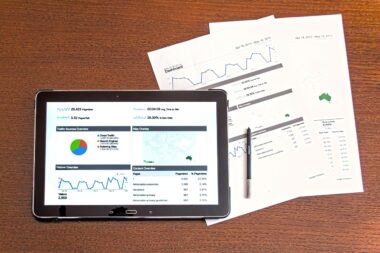
Data visualization, a core feature of KPI dashboards, transforms raw data into actionable insights. The primary goal of these dashboards is to simplify data complexity and make it easier for marketers to glean insights swiftly. Various visualization tools exist, such as graphs, charts, and heat maps, designed to deliver clear and instantly interpretable information. For instance, a line graph displaying traffic growth over time provides an immediate understanding of user engagement with promotional campaigns. Comparative analyses of different channels can also be visualized, highlighting which delivers the best results. This empowers marketers to allocate budgets wisely and invest more in high-performing channels. The more intuitive the visual representation, the quicker teams can analyze and react to the insights derived from their data. This ability to efficiently communicate performance allows marketing teams to collaborate closely without the challenges posed by complex spreadsheets or lengthy reports. Moreover, effective data storytelling through visualizations enables marketers to present their findings convincingly to stakeholders, reinforcing the importance of insights derived from metrics and facilitating strategic alignment across teams.
Customization and Scalability of Dashboards
Another notable feature of KPI dashboards is their capacity for customization and scalability. Businesses can tailor dashboards according to the specific metrics most relevant to their unique marketing strategies. As a result, they can create industry-specific dashboards designed to focus on metrics that significantly influence their success. Scalability is crucial, especially for growing organizations, as it allows businesses to expand their KPIs and dashboard capabilities as their needs evolve. Whether introducing new products, expanding to new markets, or refining existing strategies, customized KPI dashboards provide vital support. Moreover, many dashboard solutions integrate seamlessly with existing marketing tools and platforms, enabling organizations to consolidate their data in one location. This centralized data environment ensures a comprehensive overview of marketing performance for effective decision-making. Additionally, real-time updates ensure that marketing teams stay informed of rapid changes in performance, allowing them to pivot strategies accordingly. This set of customizable and scalable features ensures that KPI dashboards remain relevant and beneficial to organizations as they continue to adapt to the ever-evolving B2B landscape, sustaining competitive edge.
Another crucial aspect of KPI dashboards is the capability for real-time data tracking and reporting. Many modern dashboards have advanced functionalities that allow organizations to access and analyze data instantaneously. This immediacy is paramount for B2B marketers competing in fast-paced environments, as it provides them the agility needed to respond to market changes. Additionally, real-time data ensures that the results displayed on dashboards accurately reflect ongoing campaigns, giving teams immediate insight into their performance. For instance, if a campaign is falling short of expectations, marketers can react and implement necessary adjustments on the fly, boosting their chances of recovering the campaign’s effectiveness. Furthermore, the availability of real-time reporting fosters a culture of accountability, as team members can monitor their contributions consistently. By ensuring everyone is aware of performance in real-time, organizations can cultivate a more engaged and results-oriented workforce. Teams can work collectively toward achieving targets, ensuring that individuals hold themselves accountable for their respective contributions to the overall success. Ultimately, the combination of real-time monitoring and reporting leads to improved marketing efficiency and responsiveness, critical factors for sustained growth.
Engagement Through Dashboards
Moreover, employing KPI dashboards contributes to enhanced stakeholder engagement and decision-making. When stakeholders can visually track marketing performance through well-designed dashboards, it fosters increased transparency and accountability. This accessibility encourages teams to engage more deeply with the metrics provided, aligning their efforts with the organization’s objectives. Dashboards can be shared among team members and across departments, establishing a culture where data is utilized collaboratively. Such collaboration also opens opportunities for sharing creative ideas rooted in data insights, ultimately strengthening marketing strategies. When every team understands the impact of their actions and performance on overall marketing goals, it significantly enhances their motivation and commitment. Engaging presentations lead to more dynamic discussions during meetings, where teams can devise strategies based on real-time data. In B2B marketing, where collaboration across teams is vital for success, utilizing KPI dashboards fosters a more inclusive environment where insights are shared widely. This overall shift from individual tracking to a team-based approach can improve morale and stimulate a more vibrant organizational culture, resulting in better performance across the board.
In conclusion, KPI dashboards are a game-changer for monitoring and improving B2B marketing performance. These dashboards streamline processes by providing visual representations of crucial metrics, making it easier for marketers to make informed decisions quickly. By implementing relevant, real-time KPIs, organizations can effectively navigate the complexities of B2B marketing and respond to emerging trends. Customization and scalability ensure that these dashboards remain adaptable to the evolving landscape, allowing teams to remain agile and competitive. Moreover, the enhanced transparency and engagement foster a collaborative environment that drives accountability and results-oriented efforts. Data visualization improves the interpretation of key insights, thus enabling marketers to present findings compellingly to internal stakeholders. Ultimately, KPI dashboards serve as indispensable tools that support B2B marketing efforts, offering insights that shape strategies and foster sustainable growth. Organizations that harness the power of KPI dashboards not only enhance their decision-making processes but also position themselves for long-term success in a fast-paced business environment. This progressive approach towards monitoring performance signifies the future of effective B2B marketing strategies.