
Customer Journey Mapping for Predicting Customer Lifetime Value
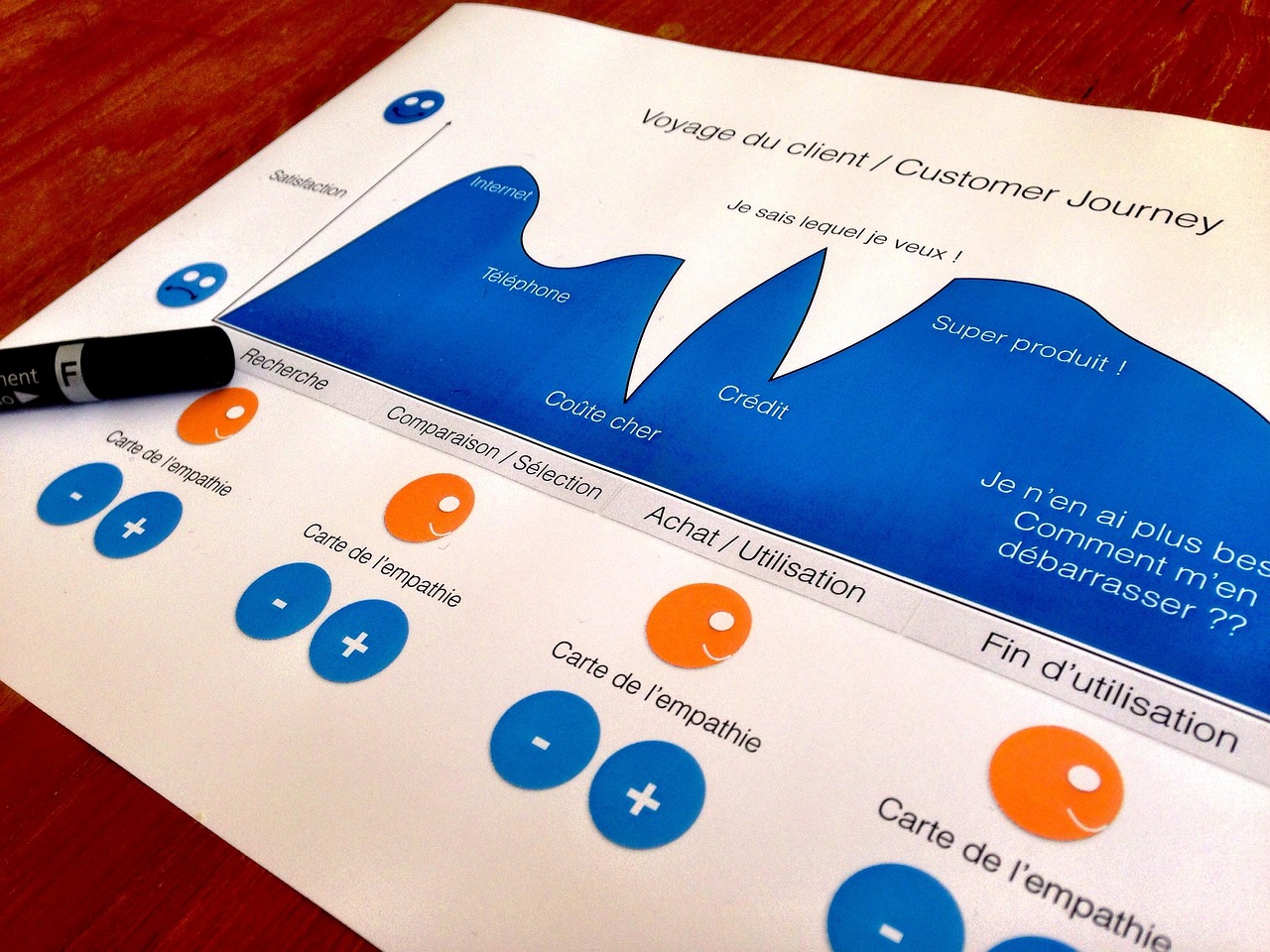
Customer journey mapping is essential for predicting customer lifetime value (CLV) effectively. By understanding the various stages customers go through, businesses can optimize their marketing and customer service efforts. The journey typically includes phases such as awareness, consideration, purchase, retention, and advocacy. Each of these phases has unique characteristics that affect customers’ perceptions and interactions with a brand. Mapping this journey allows businesses to identify critical touchpoints, ensuring that customers receive valuable experiences that enhance loyalty. Additionally, each touchpoint can create lasting impressions that directly contribute to customer retention. By leveraging data analytics, organizations can gain insights into customer behavior patterns across the journey. This enables companies to adjust their strategies according to the specific needs of customers at different stages. Also, identifying pain points during the journey can lead to improvements that increase customer satisfaction. Ultimately, understanding customer journeys helps organizations anticipate customer needs better, paving the way for long-term relationships. Furthermore, effective mapping will contribute to precise calculations of CLV, influencing resource allocation and marketing campaigns aimed at long-term engagement.
Identifying touchpoints is a significant aspect of the journey mapping process. During the customer journey, there are numerous interactions that shape the overall experience. These touchpoints can be categorized into three main types: pre-purchase, purchase, and post-purchase. In the pre-purchase phase, customers might engage with advertisements, social media posts, or website content. Their experiences during these interactions play a vital role in whether they move forward in the buying process. While in the purchase phase, the ease of navigation through online checkout is crucial, as is the quality of customer service received during inquiries. Lastly, the post-purchase stage focuses on interactions that occur after a sale, such as feedback requests, loyalty programs, and customer support. Each touchpoint can directly influence CLV, making it crucial for businesses to foster positive experiences throughout the journey. By mapping these moments of interaction, companies can discover opportunities to enhance customer engagement and optimize their processes. Challenges stem not only from miscommunication but also from potential disengagement stemming from negative interactions.
Utilizing Data for Enhanced Insights
Data analytics plays a crucial role in customer journey mapping and predicting customer lifetime value. By leveraging various data sources, organizations can gain deeper insights into customer behaviors and preferences. Predictive analytics can provide valuable forecasts about how customers may respond to different marketing strategies throughout their lifecycle. Companies can harness CRM systems to collect and analyze customer data, including demographic information, purchase history, and interaction feedback. This data can illuminate patterns, revealing which aspects of the customer journey are most likely to enhance loyalty. Moreover, utilizing segmentation can help businesses tailor their marketing strategies. By focusing on specific customer groups and understanding their unique needs, organizations can refine their messaging accordingly. Additionally, businesses can run A/B tests on various customer journeys to analyze which paths yield the best results, optimizing their offerings continually. By keeping data-driven insights at the forefront, companies can craft more personalized experiences that resonate with their customers. These tailored experiences can increasingly drive customer satisfaction, promote retention, and ultimately increase CLV.
Engaging customers effectively is imperative for fostering loyalty and ensuring satisfaction throughout their journey. One of the strategies that companies can implement is creating personalized marketing campaigns. By utilizing data acquired from journey mapping, businesses can deliver targeted content that resonates with individual customers. Personalized email campaigns showcasing relevant products or exclusive offers can significantly heighten engagement levels. Furthermore, fostering community engagement through social media platforms can reinforce the personalized approach. Customers who feel a personal connection with a brand are more likely to return for future purchases. Additionally, establishing loyalty programs rewarding customers for their continued patronage serves as a powerful retention tool. These programs nurture a long-term relationship while promoting repeat purchases. Regularly interacting with customers, seeking their feedback, and responding to their queries promptly are essential elements of maintaining an ongoing dialogue. Moreover, transparency in communications helps build trust and empowers customers. Since satisfied customers often become brand advocates, their testimonials can further enhance brand reputation. By cultivating strong relationships, companies set the stage for a mutually beneficial partnership that fosters long-term success.
The Role of Technology in Mapping Customer Journeys
Technology plays an integral role in customer journey mapping, enabling organizations to visualize and enhance the customer experience effectively. Various tools and platforms are available that assist companies in tracking customer interactions seamlessly across multiple channels. For instance, heat maps can reveal user engagement patterns on websites, while customer feedback surveys provide insights into satisfaction levels. Tools such as Google Analytics can track how users navigate through digital platforms, highlighting successful touchpoints and those needing improvement. Additionally, implementing CRM systems can strengthen data collection on individual customer interactions, creating a centralized database for better analysis. Through these technological innovations, companies can streamline their efforts in journey mapping and more accurately predict customer lifetime value. Moreover, integrating omnichannel strategies allows organizations to provide consistent experiences for customers, regardless of the platform they choose to engage with. Brands leveraging chatbots for immediate customer service create faster resolution times, further enhancing customer satisfaction.
Turning insights derived from customer journey mapping into actionable strategies is essential for maximizing customer lifetime value. Organizations must focus on consistently refining their tactics based on customer feedback and performance metrics. Regularly reviewing customer touchpoints ensures companies can identify emerging trends or potential challenges in their journey. Remaining agile to these changes allows businesses to pivot their strategies, ensuring alignment with customer preferences. Furthermore, aligning teams across departments—such as marketing, sales, and support—promotes a unified approach to customer interactions. Tapping into cross-departmental collaboration can lead to innovative solutions in managing customer relationships effectively. Workshops, training, and ongoing discussions foster a culture of customer-centricity within the organization. Additionally, measuring success through key performance indicators (KPIs) offers quantifiable data, confirming whether the strategies implemented yield desired results. Companies may also assess the impact of their marketing campaigns on customer journeys, focusing on engagement metrics, conversion rates, and retention statistics. This continual process strengthens brand loyalty, enhances satisfaction, and, in turn, elevates customer lifetime value.
Conclusion: Maximizing Customer Value
In conclusion, effectively mapping customer journeys is vital in predicting customer lifetime value and enhancing overall business success. By understanding the various interactions customers encounter, businesses can optimize their strategies and create memorable experiences that build lasting loyalty. Employing data-driven insights allows organizations to tailor their approach, significantly increasing engagement and satisfaction rates. Additionally, leveraging various technologies equips brands with the tools necessary to visualize these journeys accurately. Regularly engaging customers and responding to their feedback promotes trust and transparency, fostering enduring relationships. Ultimately, organizations must commit to embedding a customer-centric culture that prioritizes customer experiences and rewards loyalty. Focusing on user experience enhances satisfaction, propelling sustainable success into the future. Measuring progress through clear indicators ensures that strategies remain effective and adaptable as customer expectations evolve. In a competitive landscape, brands prioritizing journey mapping will arise as front runners, setting standards for customer retention while maximizing lifetime value. The continued exploration of customer behaviors will lead to innovative approaches aimed at meeting the changing needs of consumers, ultimately solidifying a brand’s place in the marketplace.