
Understanding Video Analytics
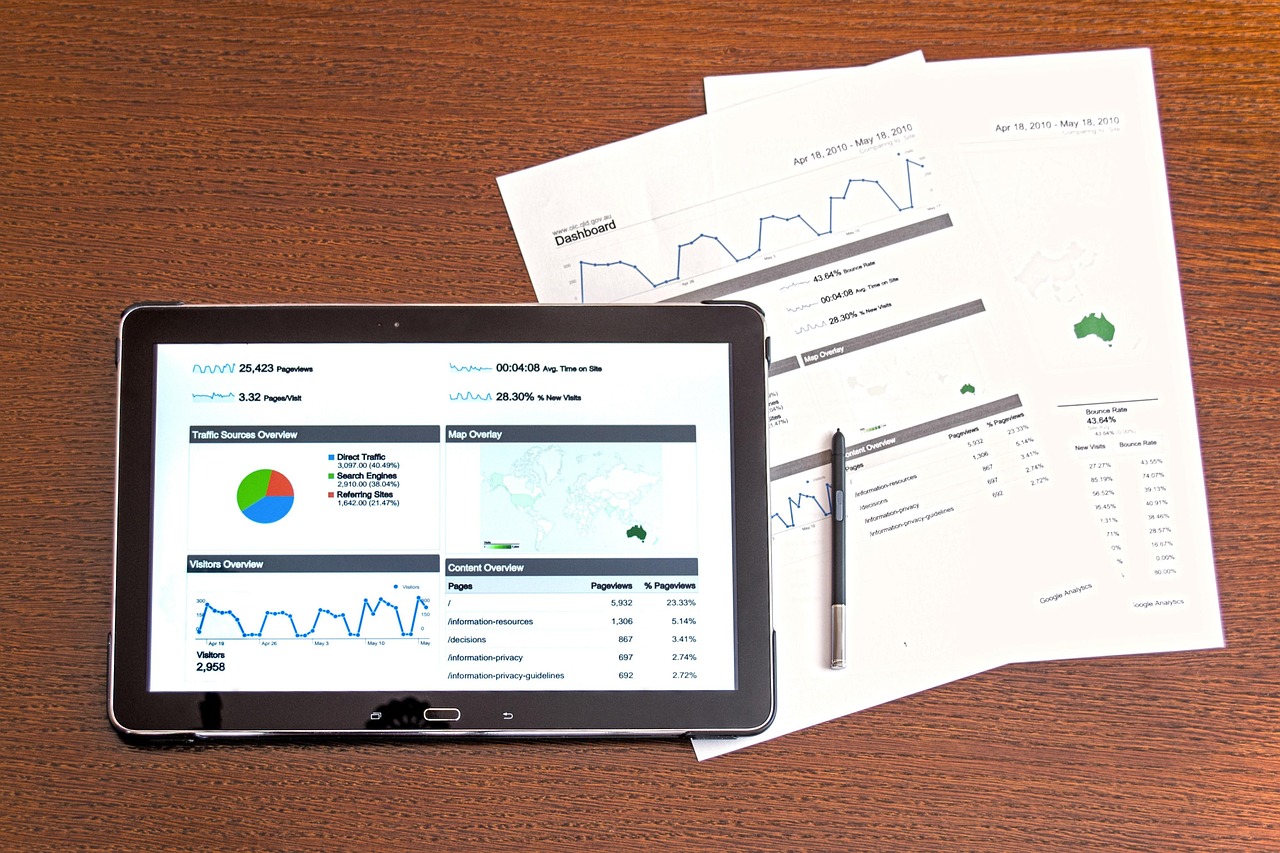
Video analytics plays a crucial role in modern marketing strategies, especially for product launches. It encompasses the gathering and analyzing of data from various video content types, helping marketers understand audience behavior better. By examining quantitative metrics such as view counts, engagement rates, and drop-off points, brands can gain insights into what captivates their viewers. For successful product launches, leveraging these insights can significantly enhance marketing efforts. Companies can measure how much of the video viewers watch, when they lose interest, and which parts resonate most. Understanding these metrics allows teams to refine their storytelling and enhance the emotional impact. Additionally, various tools exist that make video analytics accessible, providing graphs and reports to visualize data effectively. These advancements enable brands to adapt their strategies dynamically and showcase products more effectively. Ultimately, video analytics helps create targeted marketing campaigns that draw in customers, clarify product value propositions, and foster deeper connections. By focusing on data-driven decisions, businesses can optimize product launch outcomes significantly. Therefore, investing time and resources in understanding and implementing video analytics can lead to long-term success.
Identifying Key Performance Indicators (KPIs)
Knowing what to measure is vital for enhancing product launch strategies through video analytics. This section focuses on identifying the right key performance indicators (KPIs) to track your video marketing efforts effectively. Key performance indicators are measurable values that indicate how well a company is achieving its key business objectives. For product launches, some essential KPIs include total views, average view duration, click-through rate, and engagement rate. Tracking total views provides insight into how many potential customers interacted with the video content. Average view duration helps determine if viewers find the content engaging. Click-through rate, on the other hand, shows how many viewers took further action after watching the video. Engagement rate indicates how actively viewers interacted with the content through likes, shares, or comments. By analyzing these KPIs, marketers can understand which strategies resonate best with their target audience. Companies can then refine their product launch marketing strategies based on solid analytics. Ultimately, clear and measurable KPIs enable businesses to make informed decisions and enhance future marketing efforts significantly.
Segmenting Audience Data
To effectively utilize video analytics for product launches, segmenting audience data is fundamental. Audience segmentation allows marketers to create tailored messages that resonate with specific segments of the audience. By leveraging demographics such as age, location, and interests, businesses can develop targeted video content. This increases the chances of engagement and conversion, ultimately driving sales. Analytics tools can provide insights into how different audience segments interact with video content. For instance, younger viewers may prefer fast-paced content filled with humor, while older demographics might value in-depth product demonstrations. By presenting users with tailored videos that align with their preferences, companies enhance viewer experiences significantly. Additionally, feedback mechanisms, such as surveys and social media polls, can collect insights regarding viewer perceptions across segments. This creates opportunities to address specific concerns and preferences, ensuring effective communication. Moreover, segmenting viewer data enables better resource allocation during product launches, focusing efforts on the most promising audience groups. In combining segmentation with video analytics, brands can achieve refined marketing strategies and drive successful product launches effectively.
Enhancing Content Visibility and Distribution
Effective video analytics not only informs content creation but also enhances the visibility of video marketing initiatives during product launches. Analyzing video performance data helps marketers identify what types of content perform well across different platforms. Brands can then distribute the most engaging videos strategically, leveraging insights to optimize each channel’s approach. Social media platforms, websites, email newsletters, and video-sharing sites can be used for effective distribution. Understanding where the highest engagement rates lie allows companies to focus their distribution efforts accordingly. Additionally, analyzing data from past campaigns reveals which posting times and formats generate the most engagement. Tailoring video content to specific platforms significantly increases visibility and impact, ensuring a wider reach. Furthermore, companies can utilize audience feedback to enhance video visibility and adjust promotional strategies to align with viewer preferences and behaviors. Video analytics tools often provide detailed reports on audience behavior, suggesting optimal paths for video distribution. As brands harness these insights effectively, they can ensure a successful rollout for their product launches, maximizing reach, and engagement consistently.
Learning from Competitors
Understanding the competitive landscape is essential for refining product launch strategies through video analytics. Observing competitors can reveal valuable insights regarding their video marketing success and failures. By analyzing competing brands’ video content, companies can identify trends that work and practices that fall short. Metrics such as viewer engagement, comments, and shares provide a glimpse into the competitive approach to video marketing. This information can guide brands to adapt their strategies accordingly, ensuring they stand out in the market. Moreover, identifying gaps in competitors’ content can reveal opportunities for differentiation. With a unique approach, brands can position their products attractively. Additionally, monitoring competitors’ audience engagement helps businesses to understand what drives views and maintains interest. Analyzing video formats, storytelling techniques, and promotional strategies gives context to the overall impact of their campaigns. By considering these factors, companies can improve their product launch videos and batting on successfully getting attention. Ultimately, staying competitive through analysis fosters a continual cycle of improvement and drives successful product launches for companies eager to excel.
Measuring Post-Launch Success
After executing a product launch, measuring its success using video analytics becomes essential for further improvements. This process involves analyzing various metrics to gauge the effectiveness of the launch strategy. Important metrics to track include sales figures, customer feedback, and video view statistics. Sales figures reveal direct financial impact while video view statistics show audience engagement levels. Customer feedback gathered through surveys or social media can provide insights into public perception regarding the product. Comparing these metrics with pre-launch objectives gives marketers a clear view of success categories and areas needing improvement. Additionally, reviewing video performance in relation to product sales can illuminate correlations, guiding future strategy formulation. Understanding peak engagement times and high-performing content facilitates better planning for upcoming initiatives. By discussing metrics within teams, companies can draw actionable insights that lead to improvement. Furthermore, continually adjusting video content in response to audience feedback increases viewer retention rates. This commitment to reflecting results in future initiatives fortifies brand reputation and builds a solid relationship with the audience. Therefore, effective measurement systems for post-launch analysis greatly enhance future product launches.
Adapting Strategies for Future Launches
Finally, video analytics allows companies to adapt their strategies for future product launches effectively. By gathering insights from previous launches, organizations can create more informed approaches that resonate with their target demographic. Documenting learnings from video performance, consumer responses, and engagement levels creates a roadmap for potential improvements. Furthermore, incorporating audience feedback helps refine various aspects of the product launch planning process. Brands can prioritize elements that received positive feedback while addressing any concerns raised during the previous launch. Adjusting video content based on previous audience insights ensures a more fitting product representation and can enhance storytelling elements. Companies can also experiment with diverse video formats and lengths to discover what captivates viewers most effectively. Each subsequent launch becomes a learning opportunity, enabling businesses to scale strategies that contribute directly to success. Moreover, companies can develop stronger community connections by actively engaging younger audience segments willing to provide feedback. In summary, utilizing video analytics for continuous feedback and improvement fosters long-term strategic growth and better consumer relationships in future product launches.
Engaging Through Storytelling
Engaging storytelling remains a vital component when launching products via video analytics. Crafting narratives that resonate draws viewers’ attention and keeps them invested in the message. The use of emotional storytelling has become paramount as consumers engage more with content that invokes feelings. Video analytics can identify which narratives drive higher engagement and viewer retention rates. This allows marketers to refine their approach, ensuring that future videos capitalize on storytelling methods that resonate most with viewers. Additionally, brands can leverage viewer comments and reactions gathered from video metrics to identify emotional responses elicited by their content. Tailoring stories to fit audience sentiments can enhance relatability and build stronger connections with potential customers. A well-told story not only showcases products effectively but also builds brand loyalty. As brands refine their storytelling through video analytics, they cultivate a sense of community among audiences, leading to increased conversations around the brand. Ultimately, mutually resonant stories drive product success, supporting marketing goals and launching products effectively. Through effective storytelling using analytics, brands can ensure successful product introductions tailored to meet audience expectations.