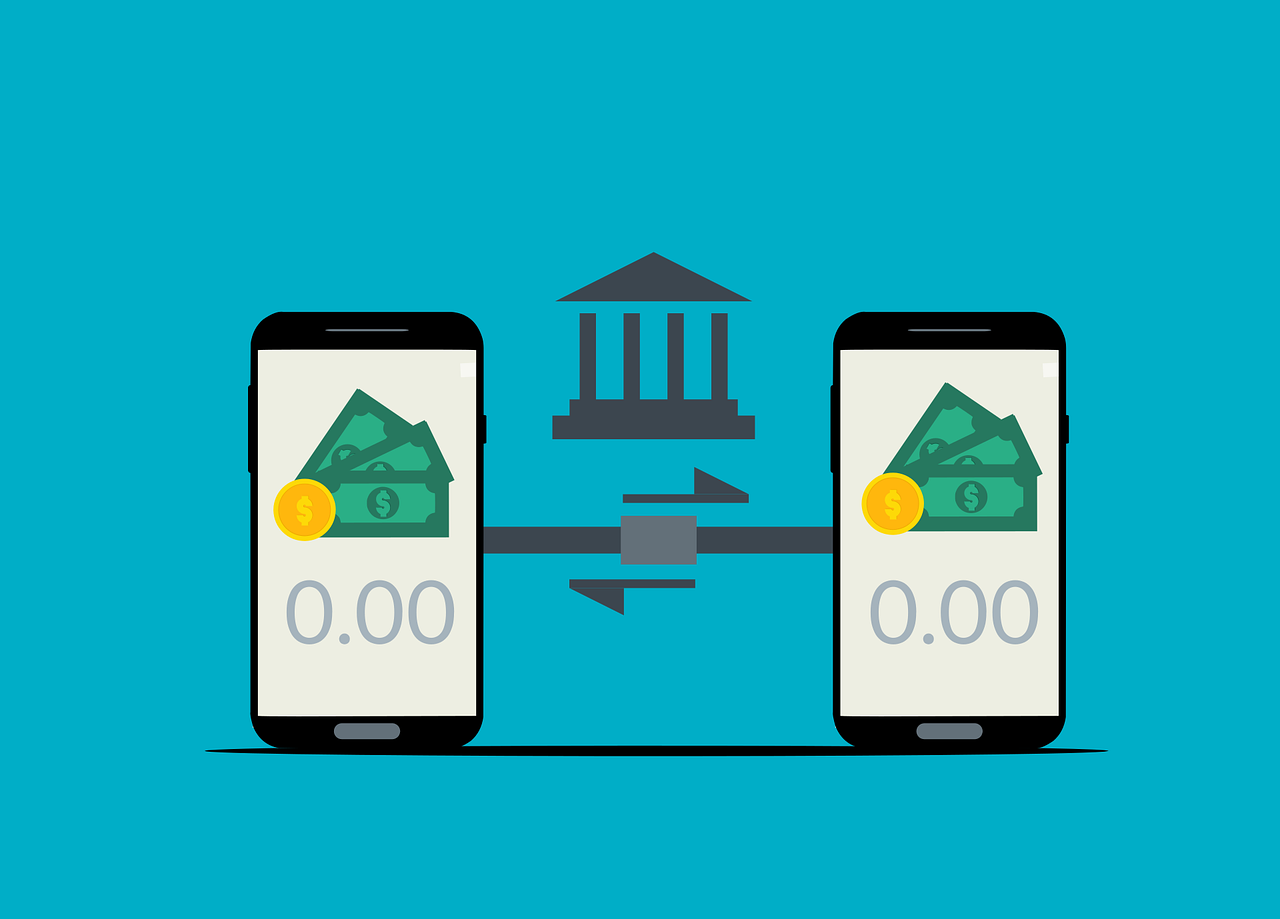

Digital Wallets and Their Role in Contactless Payments
In recent years, we have witnessed a remarkable evolution in financial transactions, particularly through the advent of digital wallets. These virtual platforms have significantly transformed how consumers engage with their finances. With a digital wallet, users can conveniently store and manage various payment methods. This technology has not only increased efficiency but also enhanced security in transactions. Furthermore, digital wallets enable contactless payment systems, which have gained popularity due to their speed and convenience. Users can make payments simply by tapping their devices, eliminating the need for cash or even physical cards. By providing real-time transaction updates, digital wallets contribute to better financial awareness. This is particularly beneficial for budgeting and expense tracking. Additionally, many wallets offer features that allow users to send money to friends and family or pay for services online. Retailers and service providers have also adapted to this technology by enhancing their point-of-sale systems. As a result, the implementation of digital wallets is becoming a crucial strategy for businesses looking to attract tech-savvy customers and streamline payment processes.
Digital wallets come in various forms, including mobile wallets, web-based wallets, and smart cards. Users can choose from options like Apple Pay, Google Wallet, PayPal, and Samsung Pay. These platforms have gained traction due to the increasing reliance on smartphones and connected devices in our daily lives. As mobile commerce continues to rise, the adoption of digital wallets is expected to surge. One primary factor driving this trend is the pervasive use of smartphones. With millions of people owning smartphones globally, the accessibility of digital wallets has never been better. Consumers appreciate the convenience of having all their payment methods in one place, easily accessible at their fingertips. Moreover, traditional banking models are evolving, as more people move toward digital-first banking solutions. This shift creates an opportunity for startups to innovate within the fintech space, enhancing user experiences. In this competitive landscape, digital wallets often provide superior user interfaces and additional features. By leveraging technology, these wallets foster a seamless integration of financial transactions into consumers’ daily routines, paving the way for widespread acceptance and utilization of contactless payments in various businesses.
Security remains a top priority in online financial transactions, particularly with the widespread implementation of digital wallets. Users have legitimate concerns regarding the safety of their financial information. Innovations in encryption and biometric authentication methods ensure that transactions remain secure. Digital wallets employ advanced security protocols, such as tokenization, to protect sensitive user data. This means that actual card numbers are not stored or transmitted during transactions, reducing the risk of fraud. As a result, users can shop and pay confidently without fearing their data may be compromised. Furthermore, many digital wallets offer real-time alerts, notifying users of transactions and account activity. This transparency fosters trust, allowing users to monitor their accounts effectively. The backing from financial institutions also enhances user confidence, as reputable banks partner with wallet services. Consumers increasingly prioritize security features when selecting which digital wallet to adopt for their transactions. Moreover, regulatory compliance with standards like PCI-DSS (Payment Card Industry Data Security Standard) is vital in reassuring users. As digital wallets continue to proliferate in the financial landscape, ongoing improvements in security will remain crucial for future adoption and growth.
The Impact of Digital Wallets on Businesses
The rise of digital wallets has significantly impacted how businesses engage with their customers. First and foremost, adopting contactless payment methods allows retailers to enhance customer satisfaction by offering a faster checkout experience. Shoppers appreciate the simplicity of tapping their mobile devices to finalize a transaction, thus reducing wait times. This convenience often leads to increased sales and encourages repeat visits. Additionally, integrating digital wallets into point-of-sale systems can lead to improved inventory management and overall efficiency. Businesses can easily track sales data and customer behaviors through digital wallets, enabling them to make informed decisions. Insights gained from user preferences can help tailor marketing strategies and promotions effectively. Furthermore, accepting digital wallets opens new avenues for customer engagement through loyalty programs and personalized deals. Customers can enjoy rewards and incentives linked to their wallet usage, creating a win-win situation. As competition intensifies, embracing digital wallets is vital for businesses looking to stay relevant in a fast-paced digital landscape. The ability to adapt to technological advancements can be a strong differentiator for brands aiming for success in today’s market.
Moreover, the integration of digital wallets across various sectors is fostering innovation in payment solutions. E-commerce platforms, in particular, are leveraging this technology to streamline their transactions. By offering diverse payment options, online retailers can cater to a broader audience, accommodating customer preferences. This approach contributes to greater customer retention and acquisition. Service industries, such as hospitality and transportation, are also beginning to adopt digital wallets to enhance payment flexibility for their consumers. Customers expect seamless experiences across different platforms and channels. If a business fails to meet these expectations, consumers may seek alternatives. Consequently, businesses must remain agile and stay ahead of payment technology trends. Digital wallets allow companies to maintain an edge by adopting versatile payment solutions. As digital wallets gain traction, collaborations between fintech firms and traditional financial institutions continue to shape the payment landscape. These collaborations pave the way for further innovations within the industry. Consequently, businesses willing to invest in digital wallets may find increased customer loyalty and engagement, directly contributing to their overall growth within the competitive marketplace.
Digital wallets are increasingly being recognized for their environmental benefits as well. By reducing the need for physical cards and paper transactions, they contribute to a decrease in waste. The shift towards a cashless society allows for lower resource consumption related to production and distribution. Communities worldwide are becoming more environmentally conscious, prompting businesses and consumers to adopt greener practices. Additionally, digital wallets help businesses save on operational costs, such as handling cash and maintaining physical cash registers. Innovative payment solutions are continually evolving, pushing toward sustainable financial transactions. Also, many digital wallets offer functionality to support cryptocurrencies, which are gaining popularity among tech-savvy users. This development taps into a growing market segment and highlights the relevance of adapting to consumer preferences. As more individuals seek out sustainable options, the fintech industry must keep pace with these desires. Environmental considerations are becoming crucial for brands looking to maintain positive public perception. Harnessing the potential of digital wallets aligns with these values. Businesses can strengthen their commitment to sustainability while offering seamless and efficient payment solutions that resonate with eco-conscious consumers.
Future Trends in Digital Wallets
Looking ahead, the future of digital wallets appears promising, with several emerging trends indicating further growth. One significant aspect is the rise of Internet of Things (IoT) integration. As everyday devices become increasingly interconnected, the potential for digital wallets becomes even greater. Imagine making payments through smart appliances, wearables, or vehicles, streamlining the purchase process to unprecedented levels. Such innovations offer consumers new ways to engage with technology while enhancing overall convenience. Additionally, artificial intelligence (AI) is set to play a pivotal role in personalizing user experiences within digital wallets. By analyzing consumer behavior and preferences, AI can provide tailored suggestions or alerts on transactions and spending habits. Such insights can enhance user satisfaction and drive engagement. Furthermore, as mobile wallets expand, we expect advancements in cross-border payment capabilities. Enabling seamless transactions across currencies will open up new markets for digital wallet providers. As competition intensifies in this space, collaborations between tech giants and financial institutions will shape the industry. Consequently, the landscape for digital wallets will continue evolving, paving the way for innovative solutions that actively cater to users’ needs and preferences.
In conclusion, digital wallets play a crucial role in the ongoing transformation of financial transactions and contactless payments. Their impact extends beyond mere convenience, influencing business strategies, consumer behaviors, and environmental initiatives. As more businesses embrace this technology, the integration of digital wallets is expected to drive further innovations in payment solutions. The security measures employed by these platforms enhance trust and adoption among users. Therefore, understanding these evolving dynamics is essential for both consumers and businesses to thrive within a competitive economy. Moreover, the potential for future growth and technological advancements in the digital wallet sphere suggests an exciting journey ahead. As financial technology continues to evolve, we can expect more remarkable integrations, collaborations, and solutions tailored to meet the demands of an increasingly digital world. Engaging with digital wallets today positions businesses favorably for success. Additionally, as consumer preferences shift toward convenience and sustainability, digital wallets are set to become central to everyday financial interactions. By prioritizing user experience and continually improving technology, stakeholders can harness the benefits of this ongoing revolution. Thus, the world of financial transactions is in for exciting changes as digital wallets take their place at the forefront.