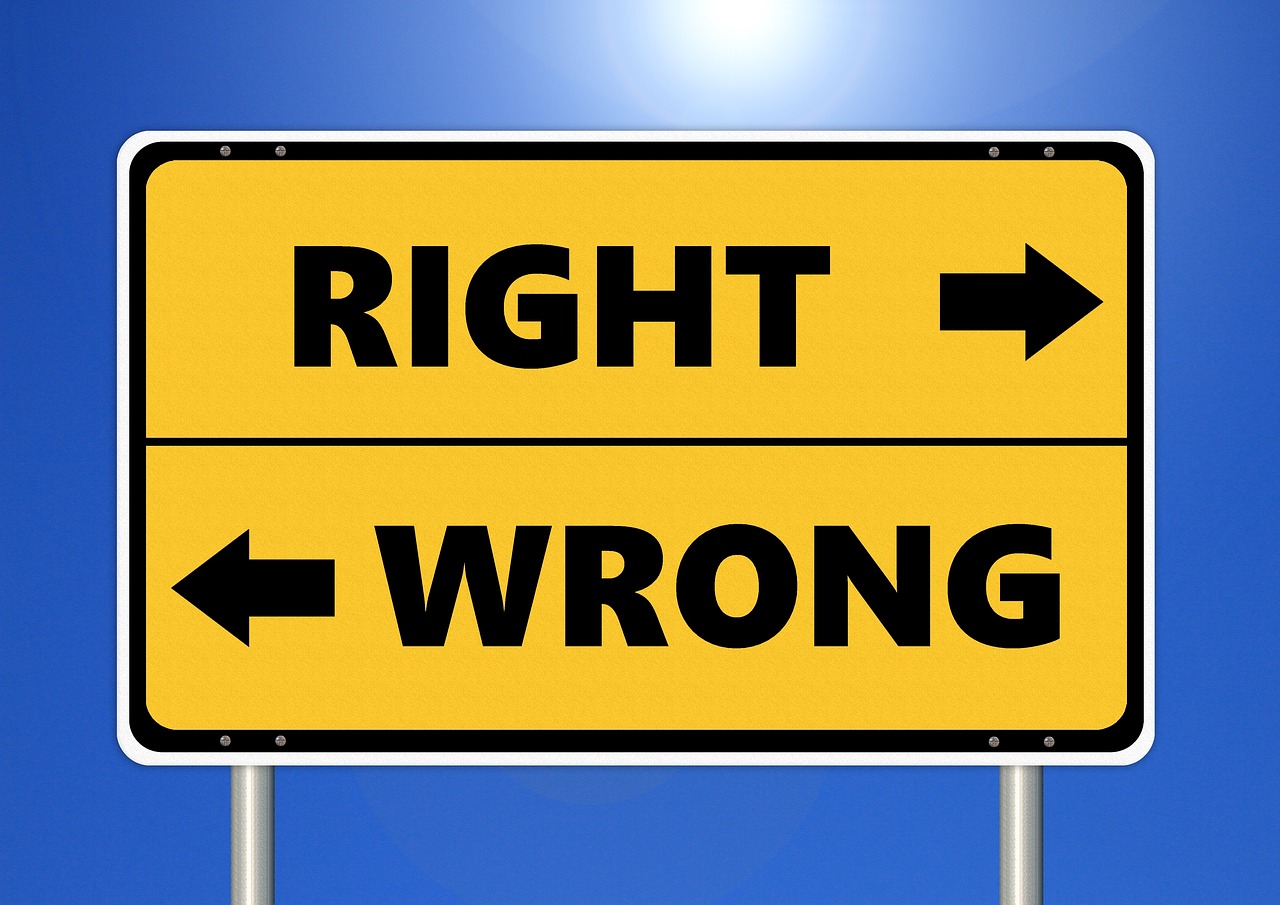

The Intersection of Marketing Ethics and Consumer Rights
The modern marketing landscape is increasingly defined by ethical considerations and consumer rights. As consumers become more aware of their rights, brands must adapt their promotional strategies to ensure they adhere to ethical standards. This shift signifies a crucial intersection of marketing ethics and consumer rights, emphasizing the importance of transparency and accountability. Ethical marketing strategies prioritize consumers’ needs and foster trust, enhancing customer loyalty. Marketers must innovate while respecting consumers to ensure compliance with legal frameworks and ethical norms. A paramount expectation is that brands treat consumers with dignity and respect, providing accurate product information and avoiding deceptive practices. Businesses that neglect these duties risk losing consumer trust and facing backlash. This reveals the necessity for establishing ethical marketing practices, thus influencing how brands are perceived in the marketplace. Furthermore, educating teams about ethical dilemmas in marketing can shape sustainable practices. By prioritizing ethics, brands can enhance both their reputation and profitability, ultimately resulting in a win-win situation for all stakeholders, thus creating long-lasting relationships built on mutual respect and understanding. Marketing strategies should incorporate consumer rights awareness to align with ethical responsibilities and establish responsible communication.
Ethical marketing goes beyond mere compliance with regulations; it involves aligning company values with consumer expectations. The evolving digital landscape offers ample opportunities for ethical dilemmas, and marketers must navigate these challenges thoughtfully. Communicating effectively with consumers about data privacy, social responsibility, and product sourcing enhances trust. When brands share authentic stories, they resonate deeper with consumers who value transparency. Utilizing storytelling in marketing can create emotional connections that bind consumers to brands, resulting in loyalty. Essential aspects of ethical marketing include social responsibility, truthfulness, and respect for customer privacy. Brands dedicated to forging ethical practices witness significant benefits, including improving brand reputation and increasing long-term loyalty. However, failure to uphold these principles can lead to severe repercussions, such as public relations disasters and legal consequences. This amplifies the need for robust ethical guidelines within marketing departments to ensure all communications are aligned with ethical standards. By integrating ethical considerations into every aspect of marketing, companies can better fulfill their commitment to consumer rights, establishing themselves as industry leaders and trusted partners. Ultimately, acknowledging consumers’ rights and aligning marketing strategies with ethical principles is vital for success in the competitive marketplace.
Shifts in Consumer Expectations
With the rise of conscientious consumerism, individuals now expect more from the brands they support. They actively seek companies that demonstrate ethical practices, including sustainability and fairness in their business operations. This shift has significant implications for marketers, who must adapt their strategies to meet these expectations. Consumers increasingly prefer brands that prioritize social justice, environmental sustainability, and community engagement. The demand for transparency is at an all-time high, leading to innovative marketing strategies that emphasize ethical sourcing and production practices. Brands such as Patagonia and TOMS exemplify this approach, showing how ethical practices can lead to commercial success. By aligning their marketing messages with ethical principles, brands can foster connections that resonate with consumers’ values and enhance brand loyalty. Engaging consumers in meaningful conversations about issues like climate change and social equity can further strengthen these bonds. As companies navigate this changing landscape, they can no longer afford to overlook the importance of ethical marketing. Failing to address these consumer expectations could result in reputational damage and loss of market share. Adopting a proactive approach to ethical considerations is essential for building a brand that consumers can trust and support.
Moreover, the role of influencers in marketing ethics cannot be overlooked. Influencer marketing has exploded in recent years, creating new challenges for ethical practices and consumer rights. Influencers are often seen as trusted sources of information, but this trust can be easily undermined if they promote products that do not align with their values or fail to disclose sponsored content adequately. As such, both influencers and brands need to prioritize ethical guidelines in their collaborations. To maintain consumer trust, influencers must be transparent about their partnerships and ensure that they endorse products genuinely. This increases the authenticity of the recommendations and respects the consumers’ right to make informed decisions. Likewise, brands should only collaborate with influencers who reflect their commitment to ethical practices and match their brand values. Maintaining this alignment fosters authenticity and strengthens the overall marketing message. As consumers become more vigilant about the authenticity of influencer marketing, adhering to ethical standards is crucial for protecting brand integrity and building consumer loyalty. Emphasizing ethics in influencer collaborations ultimately contributes to a healthier marketplace and empowers consumers to make better choices.
Legal and Ethical Considerations
The legal landscape governing marketing practices is critical in shaping ethical marketing strategies. Laws and regulations, including the General Data Protection Regulation (GDPR), require businesses to protect consumer data and privacy rights. Marketers must ensure their strategies align with these laws to avoid legal consequences and potential damage to their reputation. Ethical marketing is no longer optional; it has become a legal necessity. Understanding the ramifications of non-compliance is essential for marketers. Implementing transparent data collection practices is a fundamental aspect of protecting consumer rights. By obtaining informed consent and providing an easy opt-out process, companies can adhere to legal standards and build consumer trust. Moreover, marketers should continuously assess the ethical implications of their strategies. Emphasizing compliance with legal requirements while adopting best practices in ethics fosters a culture of trust and responsibility within organizations. Furthermore, brands that prioritize ethical considerations in their marketing efforts are more likely to cultivate customer loyalty and a positive brand image. Striking a balance between these legal and ethical obligations is essential for marketers seeking long-term success in a competitive marketplace.
In addition to the legal standpoint, ethical marketing has a profound impact on brand reputation. Companies that prioritize ethical practices can distinguish themselves from competitors by placing a strong emphasis on consumer welfare and rights. When brands consistently uphold ethical standards, they can build a reputation for integrity and reliability, which fosters consumer loyalty. In an age where consumers have access to vast amounts of information, negative publicity can quickly spread, damaging reputations. A single unethical marketing practice can lead to reparations that may take years to recover from. Consequently, brands must adopt a culture of ethical marketing not just internally but also in external communications. Emphasizing ethical narratives in marketing campaigns can resonate with consumers and create a lasting impression. This approach enables brands to advocate for social change while accomplishing their business objectives. Integrating consumer rights into the marketing strategy amplifies the overall message, positioning the brand as a leader in ethical practices. Adhering to ethical marketing principles can positively influence purchasing decisions and contribute to long-term sustainability and profitability.
Conclusion: Towards Ethical Marketing
In conclusion, the intersection of marketing ethics and consumer rights is a vital consideration for brands today. With increasing awareness of social and environmental issues, consumers demand brands to act responsibly and ethically. The shift towards ethical marketing not only enhances brand loyalty but also ensures compliance with legal and ethical considerations. To navigate this evolving landscape, businesses must prioritize consumer rights, transparency, and authenticity in their marketing strategies. By understanding the ethical implications of their campaigns, marketers can create campaigns that resonate deeply with their audiences. Brands should strive to foster meaningful connections based on mutual respect and trust with their consumers. Engaging in honest communications and demonstrating genuine commitment to ethical practices significantly influence consumer perception. Companies that acknowledge and adapt to these ethical trends can thrive in today’s conscience-driven marketplace. Ultimately, embracing ethical marketing is not just a trend; it is a strategic imperative that benefits both brands and consumers alike. Thus, the future of marketing lies in the commitment to ethical practices that respect and uphold consumer rights, reinforcing the need for continuous education and awareness in the industry.
As we move forward, the integration of marketing ethics into consumer engagement strategies will shape a new era of marketing that genuinely prioritizes consumer rights. Brands must be vigilant in addressing ethical dilemmas and remain adaptable to the changing landscape of consumer expectations. The increasing demand for transparency, authenticity, and social responsibility requires a proactive approach from marketers. By embedding ethical considerations into marketing plans and strategies, businesses can position themselves as leaders committed to consumer welfare. Collaborative efforts, stakeholder engagement, and continuous improvement in ethical practices will further foster trust and strengthen relationships between brands and consumers. By prioritizing ethics, brands can achieve sustainable growth while positively impacting society. This holistic view of marketing emphasizes the responsibility of brands in respecting consumer rights and promoting ethical standards. The relationship between marketing ethics and consumer rights is undeniably essential in the pursuit of a fair and just marketplace. A proactive stance on ethical marketing practices will not only enhance brand reputation but also contribute to a healthy and sustainable economy. Marketing professionals must lead the way in promoting ethical principles within their organizations, paving the path for a better marketing future.