
Best Practices for Mobile Data Security in Financial Services
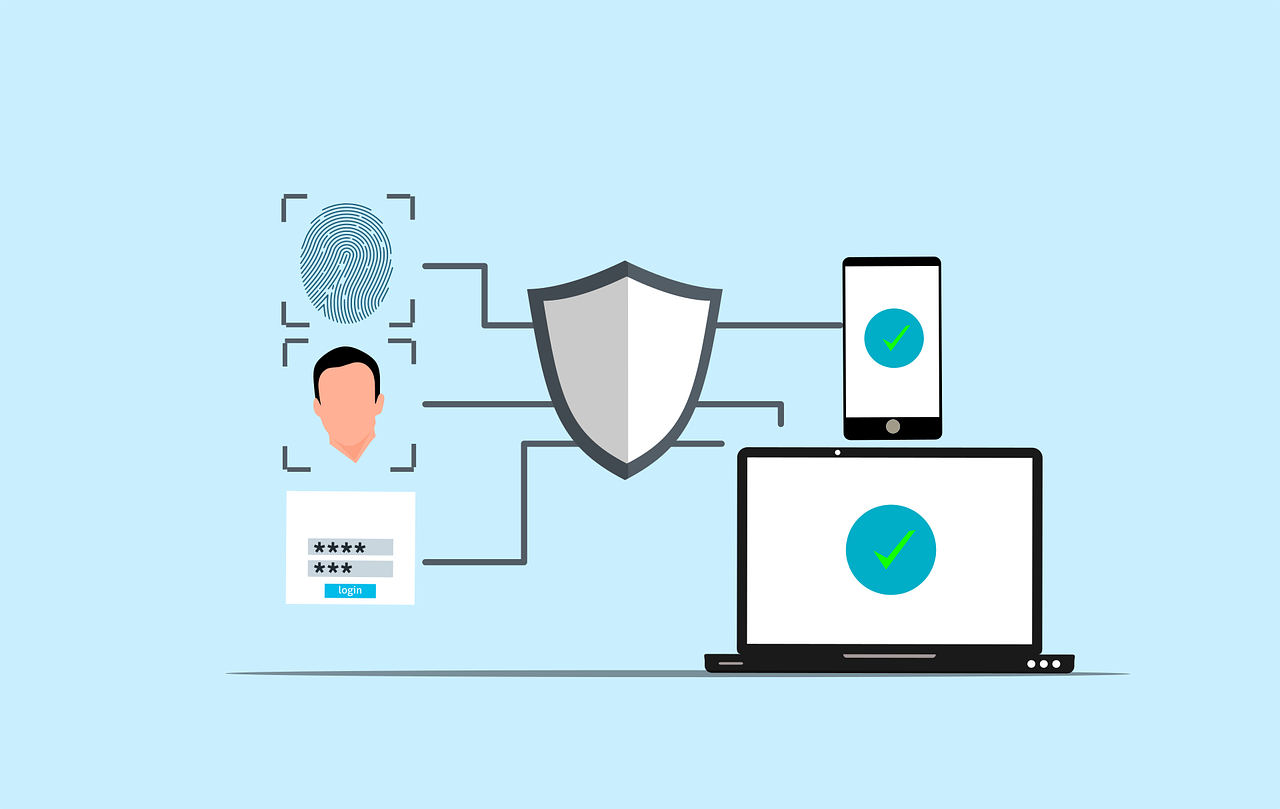
In today’s digital landscape, mobile data security in financial services is paramount. Consumers increasingly rely on mobile banking applications and payment services, making them attractive targets for cybercriminals. First and foremost, financial institutions must implement robust encryption protocols for data transmission. This secures sensitive information, such as account details and personal identification numbers, against interception during transmission. Moreover, adopting two-factor authentication enhances security, requiring users to confirm their identity through an additional method, like a mobile app or SMS. Regularly updating mobile applications ensures that security vulnerabilities are patched promptly, minimizing the risk of exploitation. Financial institutions should also educate users about the dangers of phishing attacks and fraudulent applications, guiding them to recognize and avoid suspicious links or apps. Implementing strict access controls limits employee access to sensitive data, ensuring that only authorized personnel can handle customer information. Lastly, regular security audits and assessments are essential for identifying potential vulnerabilities and addressing them proactively, ultimately safeguarding customer trust and financial safety.
Establishing a comprehensive mobile data security strategy in the financial sector begins with understanding the current regulatory landscape. Various regulations, such as GDPR, CCPA, and PCI DSS, mandate stringent guidelines for data protection. By aligning security practices with these regulations, financial organizations can effectively minimize legal risks and enhance customer confidence. Collaborating with cybersecurity experts can provide insights into the latest threats and corresponding countermeasures. Additionally, fostering a strong culture of security awareness within the organization can yield long-term benefits. Training employees on security best practices, such as recognizing social engineering tactics and secure password management can significantly lower the risk of data breaches. It is crucial for executives to set the tone by prioritizing data protection in their strategy and operations. Using secure coding practices when developing mobile applications ensures that potential vulnerabilities are identified and mitigated during the development phase. By prioritizing security during design and development, financial services can reduce the risk of exploitation in production applications. Finally, monitoring network activity for unusual patterns can help detect potential breaches early, allowing organizations to respond quickly and limit damage.
Role of Customer Education in Mobile Data Security
Customer education plays a vital role in enhancing mobile data security in financial services. Many security breaches occur due to user negligence, often stemming from a lack of understanding of security risks. Financial institutions should invest resources into creating educational campaigns that inform customers about safe mobile practices. These campaigns can include informative content on recognizing phishing emails, distinguishing secure applications from malicious ones, and using secure Wi-Fi connections. Offering resources such as webinars, tutorials, and FAQs is beneficial in empowering users to protect their data actively. In particular, explaining the importance of strong passwords and regular updates can significantly enhance security measures at the user level. Encouraging customers to regularly check their account statements for unauthorized transactions reinforces vigilance and enables them to report potential fraud promptly. Additionally, providing customers with straightforward methods to report suspicious activity can enhance responsiveness to breaches. Financial entities must also focus on building user trust by demonstrating transparency regarding data use, privacy measures, and security practices. This ongoing dialogue fosters a trusting relationship that ultimately contributes to better security compliance and proactive behavior among users.
Utilizing advanced technologies is key in implementing effective mobile data security measures in financial services. Artificial Intelligence and machine learning can play a transformative role in detecting fraudulent activities in real-time. By analyzing user behavior and transaction patterns, these technologies can identify anomalies that could signify identity theft or fraud. Financial services must invest in systems that leverage this technology, continuously improving their ability to safeguard customer data. Moreover, incorporating biometric technologies like fingerprint scanners and facial recognition further enhances security and user convenience. As biometric authentication methods bypass traditional password vulnerabilities, they provide a more fortified barrier against unauthorized access. It is equally important to incorporate secure data storage solutions, applying encryption techniques to protect sensitive information stored on devices and servers. Financial institutions should also evaluate cloud solutions for security, ensuring that data in transit and at rest are protected adequately. Additionally, periodic penetration testing should be conducted to simulate cyber-attacks and identify weaknesses in existing security infrastructures. By staying one step ahead of potential threats, organizations can build robust mobile data security frameworks that meet financial service demands and consumer expectations.
The Importance of Compliance and Regulation
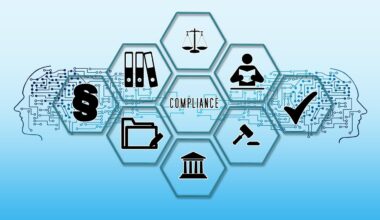
Compliance with data protection regulations is critical for maintaining mobile data security in financial services. Regulations provide essential guidelines that help organizations implement necessary security measures, thereby minimizing risks associated with data breaches. Institutions must stay updated on evolving legal obligations and adapt their policies accordingly, ensuring adherence to local and international regulations. Non-compliance can lead to severe legal repercussions, including hefty fines and reputational damage, significantly impacting consumer trust. Therefore, establishing compliance audits is fundamental for assessing whether existing security measures align with regulatory requirements. Implementing a risk management framework to classify and assess data types can help determine which practices are needed to maintain security. Regular training sessions focused on compliance should be conducted across the organization to reinforce accountability and ensure that employees are informed about their roles in maintaining data integrity. Furthermore, compliance should not be viewed as a mere checkbox to fulfill; rather, it should be considered a continuous process requiring constant monitoring and updating. By integrating compliance into their overall security strategy, financial services will not only protect data but also strengthen their reputation in the market.
Effective communication is a crucial component of a successful mobile data security strategy in financial services. Organizations must establish clear guidelines for reporting security incidents or suspicious activities without hesitation. Providing employees with an easy-to-remember reporting process ensures everyone knows how to react in case of a potential breach. Collaboration between departments, such as IT, legal, and customer service, can enhance overall security efforts. Communication also extends to timely updates regarding new security measures or protocols, ensuring all stakeholders remain informed. Additionally, regular communication with customers regarding data security efforts reinforces their trust in the institution. Transparency surrounding the measures taken and any incidents that may occur will improve customer relations while enhancing compliance. Financial organizations should also consider creating dedicated channels through which customers can express privacy concerns or report security issues easily. Consistently engaging with customers on data security not only reassures them but also encourages proactive participation in maintaining their own privacy. Ultimately, fostering an environment of open communication strengthens the organization’s security posture and cultivates a culture of shared responsibility.
Conclusion: Building a Secure Future in Mobile Banking
In conclusion, mobile data security is a critical aspect within financial services that requires a comprehensive approach. By adopting best practices like robust encryption, user education, compliance with regulations, and leveraging technological advancements, organizations can build secure frameworks that safeguard customer information. It is essential to remain vigilant against emerging threats, continuously assessing and updating security measures to respond to ever-evolving risks. Financial institutions must prioritize a culture of security, ensuring that all employees understand their role in protecting sensitive data. As consumers grow increasingly reliant on mobile services, their expectations for security and privacy will also rise. Therefore, financial organizations must commit to ongoing improvement and investment in security technologies, enabling them to foster trust and loyalty among customers. With effective communication and collaboration, stakeholders can jointly contribute to a safer mobile banking experience. Stakeholders should share insights and strategies with each other to enhance collective resilience. Ultimately, by fortifying mobile data security practices, financial services can build a secure future, inspiring confidence and promoting a more trustworthy digital banking landscape for all.
As mobile data continues to gain importance in the financial sector, evolving security practices will be essential to protect customers and financial ecosystems.