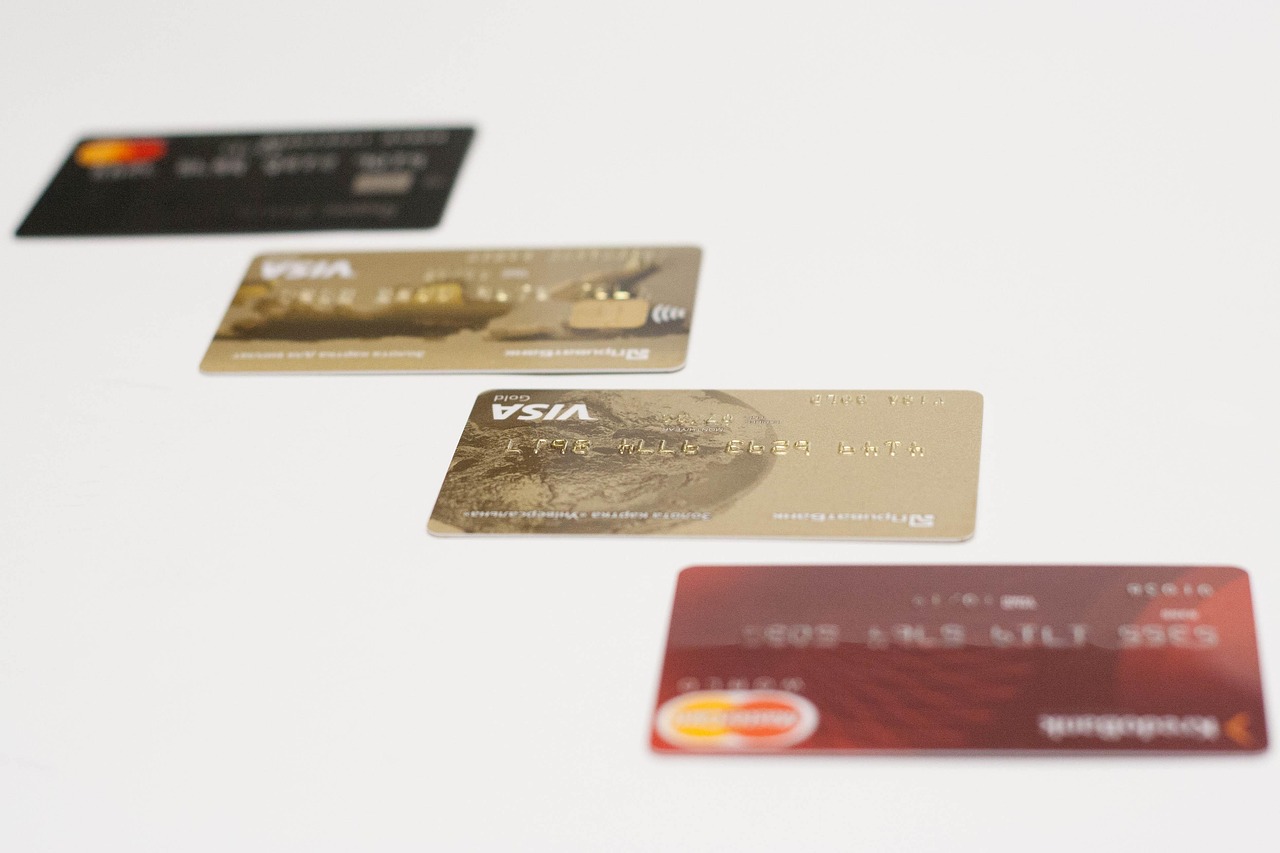

How to Build and Maintain Good Credit
Your credit score is a crucial factor in your financial health. It not only affects your ability to borrow money but also influences the terms and rates you’ll receive. Understanding the components of your credit score is essential. Major factors include payment history, credit utilization ratio, length of credit history, types of credit, and recent credit inquiries. Maintaining a good credit score requires diligence in handling your financial responsibilities. Start by ensuring that you pay all your bills on time. Late payments can significantly impact your score. Additionally, keep credit utilization low, ideally below 30%. It reflects that you’re not overly reliant on credit. Also, avoid applying for too many loans at once, as it can signal to lenders that you’re in financial trouble. Be mindful that older credit accounts contribute positively to your score, so keep them open even if not actively used. Regularly review your credit reports to identify and rectify errors. You are entitled to one free credit report a year from each major bureau. Staying informed about your credit history and score can help manage your finances effectively.
Building a strong credit profile is not an overnight task. One effective strategy is to obtain a secured credit card. This type of card requires a cash deposit that acts as your credit limit. By using it responsibly, you can gradually improve your credit score. A secured credit card can be a boon for those with limited or poor credit histories. Another actionable step is to diversify your credit mix. Having a variety of credit types, such as credit cards, installment loans, and retail accounts, can positively influence your score. Ensure that your accounts remain in good standing. Also, consider becoming an authorized user on a family member’s credit card, which can help build your credit history. Remember that credit scores typically need time to develop. Maintain long-term, healthy habits to foster this growth. Set up automatic payments to avoid missed due dates, and in turn, late fee penalties. Establishing a budget can help you stay on track, allocating funds to meet obligations. Financial discipline over time builds a robust credit profile that opens doors to better borrowing options and favorable loan terms.
Understanding Credit Scores
Credit scores range from 300 to 850 and categorize consumers’ creditworthiness. Typically, scores above 700 are considered good, while anything below might signal risk to lenders. The most widely used scoring models are FICO and VantageScore. Credit scores are calculated using information compiled from your credit report. Knowing how various factors affect your credit score helps you make informed financial decisions. Payment history has the most substantial impact, accounting for about 35% of your score. Next is credit utilization, which contributes roughly 30%. The length of credit history makes up around 15%, indicating longer histories generally portray better creditworthiness. New credit, which includes the number of recently opened accounts and hard inquiries, constitutes 10%. The last factor is types of credit, which encompasses the diversity of your credit accounts such as credit cards, mortgages, and auto loans. Monitoring these aspects can help you manage your credit health. Modern tools such as credit monitoring apps can provide insights into your score trends and underlying factors. Leverage this information to maintain a high score and optimal borrowing conditions.
Once you have built a good credit score, maintaining it is your next priority. Regular attention to your financial responsibilities is essential. Always pay your bills on time to ensure your score remains stable. Missing payments, even unintentionally, can set back your efforts significantly. A good rule of thumb is to set reminders for due dates or automate payments whenever possible. Further, review your credit report at least once a year. Doing so will help you keep track of any changes to your credit score, dispute possible errors, and recognize signs of fraud. Correcting mistakes promptly is crucial as they can harm your score. Also, be cautious about taking on too much debt at once. Balancing your credit utilization ratio is vital. Maintaining utilization under 30% of your credit limit is generally advisable. If you have multiple cards, spread your expenses to keep utilization low across all accounts. Additionally, consider using tools or methods to help track your spending. A budget can provide clarity and control over your finances. Staying disciplined properly aligns your habits with your long-term credit goals.
Common Mistakes to Avoid
Your journey towards good credit requires being aware of common mistakes that can derail your efforts. One prevalent issue is failing to monitor your credit report regularly. Neglecting to check it can lead to missing errors or fraudulent activities that can affect your credit score adversely. Another mistake is closing old credit accounts. While it seems logical to eliminate unused accounts, closing them can shorten your credit history, negatively impacting your score. Additionally, avoid making late payments, as they are detrimental to your credit profile. Many people mistakenly underestimate the effect even a single late payment can have. Moreover, frequent hard inquiries can be harmful as well; each application for new credit results in an inquiry, which can reduce your score. Financial prudence involves minimizing these inquiries. Not budgeting effectively can also lead to financial mismanagement that ultimately affects credit. Understanding your income and expenses are vital. Create a budget to keep spending in check. Lastly, borrowing more than you can afford risks falling into debt, which directly impacts your credit health. Awareness and effective management lead to better credit outcomes.
Another crucial aspect is using credit responsibly. Many consumers find themselves caught up in the allure of excessive credit offers and promotional deals, which can quickly lead to overextending themselves financially. Using credit cards to purchase items without the means to pay them off can create a cycle of debt. Taking on credit without a strategy can be detrimental to long-term financial health. Always assess your financial situation before making substantial purchases. A good financial practice is to create a spending plan that aligns with your income and expenses. This technique can help maintain a positive credit utilization ratio and keep debt manageable. Additionally, consider the impact of lifestyle choices on your credit score. For instance, taking on multiple loans simultaneously might feel tempting during a period of financial stress, but it may lead to unnecessary debts. Remember that having a solid financial foundation is critical for maintaining good credit. Conversations regarding credit often must include financial literacy. Educate yourself about the fundamentals of credit, interest rates, and loans. Knowledge can empower you to make wiser financial choices throughout your lifetime.
Long-term Strategies for Credit Management
In addition to maintaining good habits now, consider your long-term credit strategy. Planning effectively helps you avoid future pitfalls while building resilience against economic fluctuations. A sound strategy involves more than just timely payments. Diversification is essential; having multiple types of credit accounts improves your overall profile. Consider installment loans for larger purchases, as they can balance your credit mix. Moreover, limit your credit applications to one every six months to minimize the number of hard inquiries on your report. Be proactive in exploring credit-building opportunities, such as becoming an authorized user on accounts held by family or friends with good credit. This method can help accelerate the growth of your credit. Establish long-term saving goals to maintain financial stability. This includes an emergency fund for unexpected expenses that may entice borrowing. Knowing you are prepared for surprises can help you avoid financial stress that leads to poor credit management decisions. Periodic reviews of your financial health are critical to adjustments in your strategy. By staying informed and adapting, you’ll ensure that your credit isn’t just good today, but remains healthy long into the future.
Maintaining good credit is a continuous journey that encompasses multiple factors. Building and managing your credit score is crucial for financial stability. As you navigate your credit landscape, prioritize education. Familiarize yourself with your credit rights and the mechanisms behind scores. Set attainable goals, like improving your score by a specific percentage over time. Engage with financial resources that can provide guidance, such as credit counseling services, educational workshops, and online platforms dedicated to financial literacy. Mutual support from peers or accountability partners can foster healthy financial habits, motivating you further on your credit journey. A well-maintained credit score enables you to secure better loan terms, lower interest rates, and more favorable financing options in life. It also serves as an essential safeguard against unforeseen circumstances. Cultivating good credit is like nurturing a long-term relationship—consistent attention and commitment yield lasting benefits. Transitioning to good credit requires diligence, but the rewards are worth the effort. Therefore, strategize effectively, manage your credit proactively, and keep finances in check. As you create sound habits and effectively utilize resources, you position yourself for greater financial success.