
The Relationship Between Customer Satisfaction and Customer Lifetime Value
Customer satisfaction plays a critical role in determining customer lifetime value (CLV). Optimizing satisfaction can significantly influence how much revenue a business can expect from a customer over time. When customers are satisfied, they are more likely to return, and their likelihood of purchasing more products increases. High CLV indicates loyal customers who not only generate profits through repeat purchases but also contribute positively to a company’s reputation. In today’s competitive market, businesses should prioritize enhancing customer satisfaction, leading to increased CLV. This can be achieved by understanding customer needs and preferences, offering personalized experiences, and maintaining effective communication. Furthermore, businesses can benefit from conducting surveys and feedback sessions to gauge customer satisfaction levels frequently. By effectively combining customer insights with operational strategies, organizations can ensure they create fulfilling experiences. They must recognize that satisfied customers can become advocates who recommend services to others and deepen the overall customer base. As satisfied customers contribute to higher CLV, companies must continuously innovate and adapt strategies to meet evolving expectations.
Achieving a high CLV requires businesses to focus on various aspects that drive customer satisfaction. One essential factor encompasses the quality of products and services. Customers expect high standards, and failing to meet these expectations can lead to dissatisfaction and decreased CLV. Moreover, delivering exceptional customer support significantly enhances customer experience. When customers encounter issues or have questions, prompt and effective assistance can leave a positive impression and improve satisfaction. Considering the impact of pricing strategies is essential as well; offering competitive prices can foster customer loyalty while still maximizing profit margins. Additionally, convenience plays a considerable role in customer satisfaction; ensuring easy navigation on online platforms, straightforward checkout processes, and efficient delivery services can enhance the customer experience. Businesses that invest in these areas are more likely to retain customers and boost their CLV. It may also be beneficial to implement loyalty programs that reward repeat customers and solidify their commitment, thus augmenting CLV over time, leading to sustained profitability. Ultimately, by understanding these foundational aspects, businesses can develop strategies that drive customer satisfaction and enhance profitability.
The Role of Personalization in Customer Satisfaction
Personalization has become a vital component in enhancing customer satisfaction and, by extension, increasing overall customer lifetime value. Businesses that tailor experiences to meet individual customer needs can create strong emotional connections, resulting in enhanced loyalty. Utilizing data analytics enables companies to segment their customer base effectively, allowing for personalized marketing efforts. Whether through targeted email campaigns or customized recommendations, delivering tailored information helps customers feel valued and acknowledged. Additionally, leveraging technology, such as AI and machine learning, can enhance personalization efforts and optimize interactions. When customers receive suggestions based on their previous behavior or preferences, they perceive a deeper understanding from the business. Furthermore, offering personalized customer support also creates a more satisfying experience; recognizing returning customers and catering to their unique needs can significantly boost satisfaction levels. This approach compels customers to remain loyal, leading to repeat purchases and increasing CLV. Ultimately, companies that embrace personalization not only meet customer expectations but often exceed them, setting themselves apart in a crowded marketplace and ensuring long-term success.
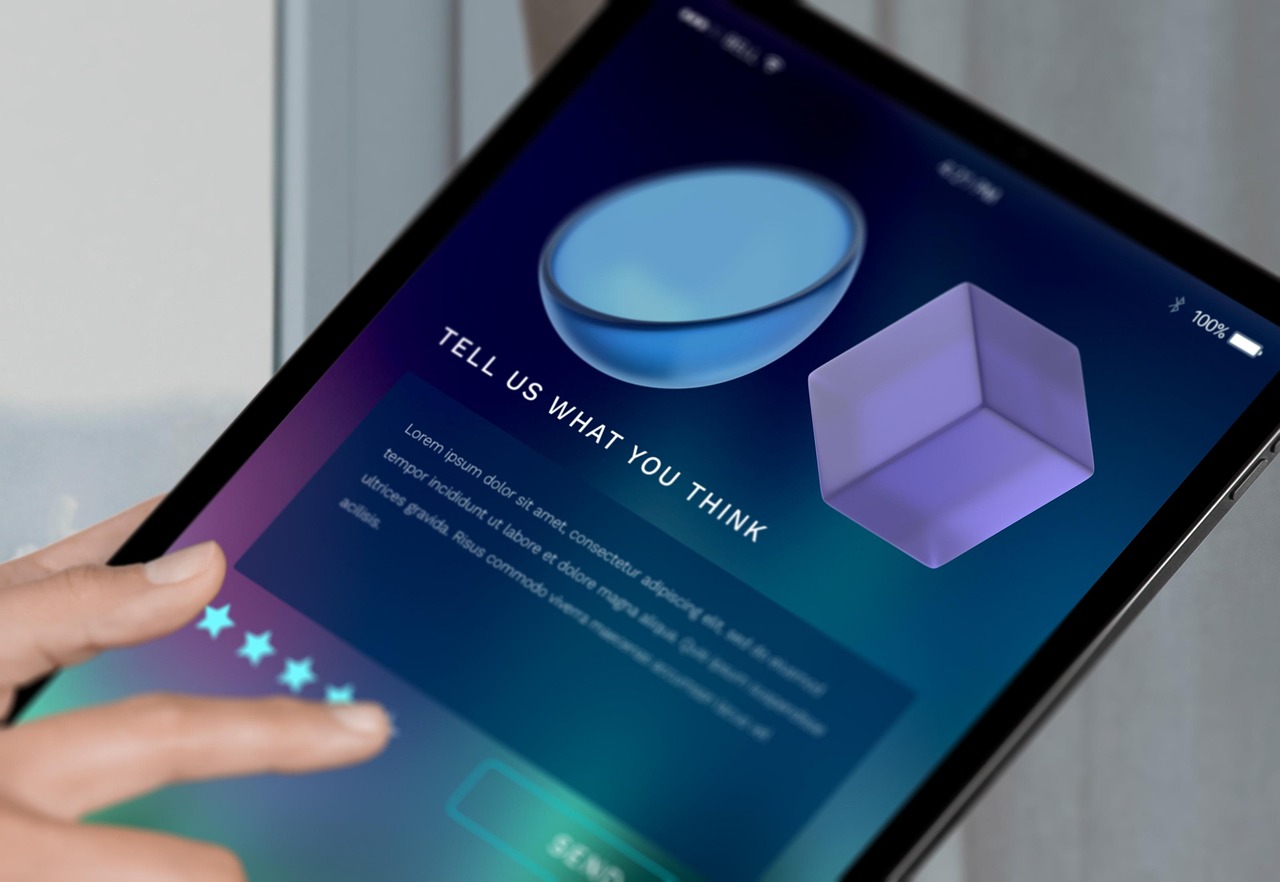
Feedback is an essential tool in measuring customer satisfaction and understanding its impact on lifetime value. Companies must establish regular channels for collecting feedback, such as surveys, reviews, and direct communication. By actively encouraging customers to share their opinions and experiences, businesses can gain invaluable insights into areas for improvement. Utilizing this information allows companies to make informed decisions that can enhance customer satisfaction effectively. Moreover, conducting detailed analysis on feedback helps identify patterns that influence customer behavior. It is critical that organizations not only collect data but also take action on it—neglecting to address customer concerns can lead to increased dissatisfaction and reduced CLV. This cycle of feedback creates a continuous loop that fosters improvement, driving protective measures against customer churn. Maintaining an open dialogue with customers, where they feel heard and valued, increases their emotional investment in the brand. When customers see that their feedback results in tangible changes, they are more likely to perceive the brand positively and remain loyal, ultimately contributing significantly towards elevating their lifetime value.
The Impact of Customer Service on CLV
Customer service strongly influences customer satisfaction and lifetime value. Excellent customer support can turn potential negative experiences into positive loyalty-building moments. When customers encounter issues, their resolution largely depends on the effectiveness of the customer service team. Quick and efficient responses demonstrate a commitment to customer satisfaction, which can significantly enhance overall CLV. Training staff to be knowledgeable and empathetic can improve interactions considerably, resulting in stronger relationships with customers. Moreover, the availability of multi-channel support, such as live chat, phone assistance, and email, empowers customers to reach out through their preferred method and enhances their experience. Additionally, addressing concerns proactively and anticipating customer needs can lead to extraordinary service that delights customers and minimizes frustration. Positive experiences shared among customers often generate referrals and recommendations, further boosting CLV through organic growth. Thus, businesses must prioritize investing in customer service infrastructure and training to optimize these interactions. Overall, effective customer service not only enhances satisfaction levels but creates loyal customers who perceive increased value in their relationship with the brand.
The relationship between customer satisfaction and customer lifetime value is also intricately linked to brand trust and reputation. Companies that consistently deliver high-quality experiences foster trust among their customers. This leads to a sense of security that encourages customers to engage longer with the brand. Trust is a significant factor in long-term relationships, and customers are more likely to continue patronizing brands they feel they can rely on. Negative experiences, especially those related to unmet promises or lack of transparency, can severely harm brand reputation. In contrast, businesses that prioritize real-time communication and transparency often cultivate trust and a loyal customer base. Additionally, using social proof, such as testimonials and reviews, further boosts credibility and can enhance customer satisfaction by demonstrating positive experiences from others. Businesses should be aware of their public perception and actively manage it by addressing negative feedback swiftly. Building a solid brand reputation through customer satisfaction directly translates to high CLV, illustrating the profound link between these concepts. Consequently, organizations should consistently strive to deliver on promises to strengthen both trust and overall customer relationships.
Strategies to Enhance Customer Satisfaction and CLV
Implementing effective strategies is essential for businesses looking to enhance customer satisfaction and improve customer lifetime value. One key approach is to continually innovate and adapt offerings based on feedback, ensuring relevance in the competitive landscape. Regularly updating products and services while incorporating customer insights allows brands to address evolving preferences. Additionally, creating a seamless omnichannel experience can significantly enhance customer interactions. Businesses should invest in integrating various customer touchpoints to ensure consistent experiences, regardless of the channel. Moreover, offering personalized loyalty programs that reward repeat purchases can also significantly boost both satisfaction and CLV. Other effective strategies include training staff to enhance their customer interaction skills and making the buying process as frictionless as possible to improve overall satisfaction. Encouraging customer advocacy through referrals can further solidify relationships and amplify lifetime value. Finally, companies should invest in robust analytics to track the effectiveness of implemented strategies for continuous improvement. With these comprehensive approaches, businesses can position themselves favorably to improve customer satisfaction and thereby elevate overall CLV over time.