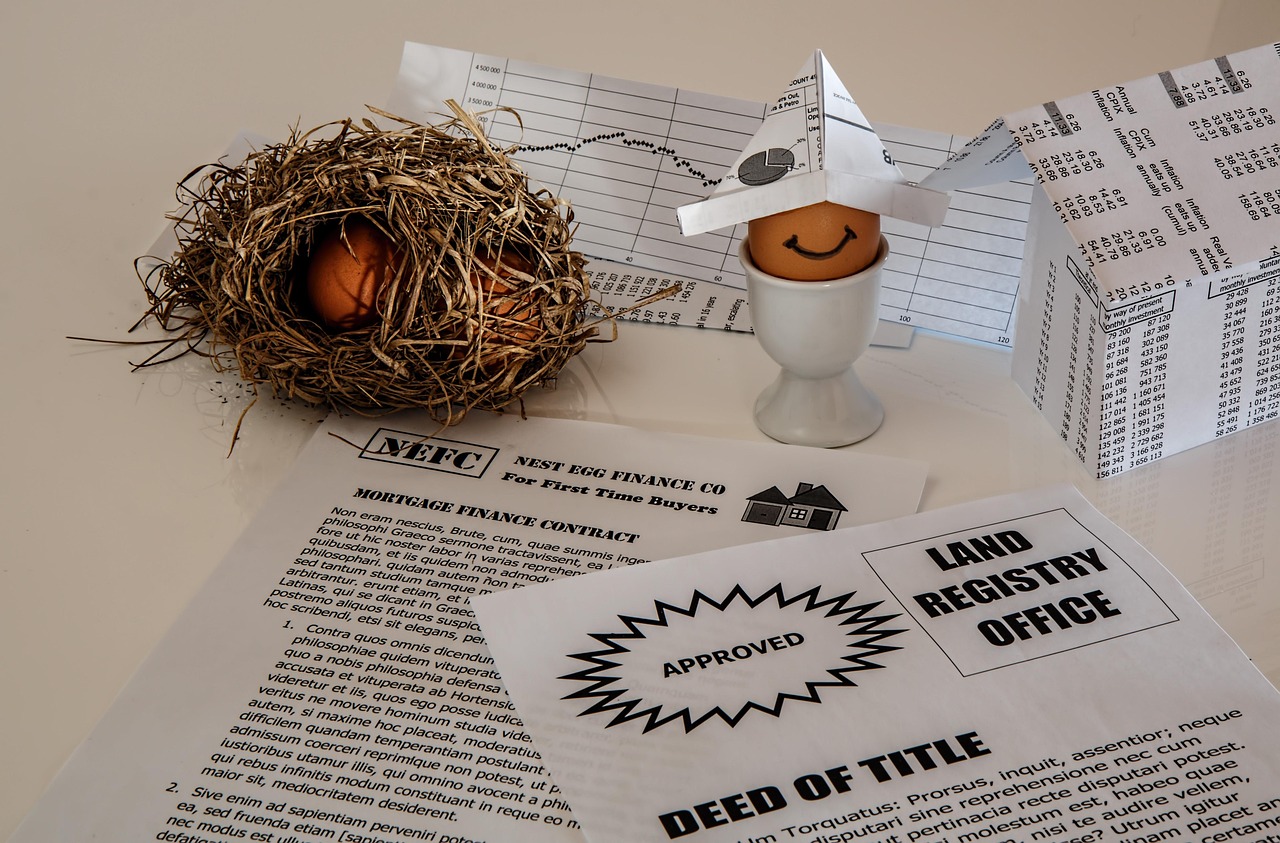

Financial Planning After Buying a Home: Budgeting for Maintenance
After purchasing a home, one critical aspect you must consider is budgeting for maintenance. Homeownership comes with responsibilities that extend beyond the initial purchase, making financial planning essential. Unexpected repairs and necessary upkeep can arise at any moment. Setting aside funds for these events can help ensure that homeowners are not caught off guard. Firstly, determine a general maintenance budget that aligns with your current financial situation. Experts recommend allocating about 1-3% of your home’s value annually for maintenance. This estimation may vary based on the age and condition of your property. Secondly, keep an emergency fund that serves as a buffer against any unforeseen circumstances. This fund should ideally cover three to six months’ worth of expenses. By adhering to structured budgeting, homeowners can easily manage maintenance costs without compromising their standard of living. Furthermore, consider the seasonal nature of home maintenance. Certain tasks require yearly attention, while others may need regular check-ups. Identifying these needs facilitates better planning throughout the year. Overall, informed budgeting paves the way for responsible homeownership and peace of mind.
To further develop a solid maintenance budget, homeowners should conduct a thorough home inspection. This evaluation helps identify areas that require immediate attention or long-term improvements, allowing for better allocation of funds. Typically, older homes may demand more frequent maintenance, varying across different aspects, including plumbing, roofing, and landscaping. As part of the inspection process, it is wise to create a comprehensive list of anticipated repairs and improvements. Prioritizing this list based on urgency can significantly affect your budget. For each item, research potential costs, engaging professional services when necessary, to derive realistic estimates. Allocate funds for both planned and emergency expenses to avoid financial strain later. Regular maintenance can extend the lifespan of many home components, thereby minimizing costly repair needs. Establishing a timeline for smaller projects and preventative upkeep can prevent larger repairs in the long term. By closely monitoring and adjusting your budget to accommodate changing home conditions, you’ll foster a proactive approach to home management. Enlisting a dedicated maintenance tracker app can also keep you organized. This way, financial planning remains straightforward as you navigate your responsibilities as a homeowner.
Understanding Home Maintenance Expenses
The financial implications of home maintenance go beyond immediate repairs. Understanding regular home maintenance expenses can help homeowners set realistic financial expectations. It’s crucial to account for routine expenses like lawn care, cleaning, and pest control, when creating your budget. These recurring costs contribute to maintaining a comfortable living environment. Always remember to keep track of one-off expenses such as appliance replacements or major system failures, like heating or air conditioning. These expenses may occur unpredictably but can have a significant impact on your overall budget. To mitigate financial strain, consider planning for these largest expenses. Research warranties and homeowner insurance policies, as these may cover specific repairs or damages. Understanding the limitations and responsibilities in your policy can assist in preparing for maintenance financially. Moreover, homeowners can draw on their community knowledge. Networking with local homeowners can provide valuable insight into common issues and average costs associated with properties in your area. Social media platforms or local groups can be useful for gathering such information. Building relationships in your neighborhood can benefit not only your fiscal planning but also your sense of community.
As part of long-term financial planning, it’s also beneficial to invest in energy-efficient upgrades for your home. These improvements can significantly lower your monthly utility bills, contributing to an overall budget reduction. Options such as proper insulation, energy-efficient windows, and high-efficiency appliances often come with upfront costs but result in savings over time. Research local incentives, as governments often promote energy-saving initiatives that can offset these costs. Taking time to explore rebate programs or tax credits can enhance your investment. Besides direct savings, energy-efficient upgrades also increase your home’s resale value. When budgeting for maintenance, always factor in the benefits of these upgrades as part of your overall strategy. Conduct periodic audits to assess your home’s efficiency as living standards and technologies evolve. Maintaining an eye on changing energy standards can also save money in the long run. When evaluating potential investments, prioritize projects that achieve the best balance between cost and benefit to ensure the longevity of your home and finances. In addition, consult with energy experts for personalized recommendations regarding potential enhancements.
Creating a Maintenance Schedule
Establishing a maintenance schedule is another essential part of planning financially for home upkeep. A structured schedule ensures that regular upkeep is not overlooked, which could lead to higher costs in the future. To create an effective schedule, begin by breaking down essential maintenance tasks throughout the year. Categorize these tasks into monthly, quarterly, and annual responsibilities to enable strategic planning. Include items like gutter cleaning, HVAC checks, and smoke detector battery replacements. Aim to set reminders on your calendar for these responsibilities to keep them manageable. Furthermore, documenting completed tasks can enhance your budget planning efforts. Tracking the timing and costs of these activities ensures you stay on top of your budget. Additionally, explore how different seasons may require varying types of maintenance. For instance, winterizing your home can save costs associated with freezing pipes and heating inefficiency. Take the time to invest in preventative measures during every season. By maintaining your property proactively, you can postpone larger repairs and spread costs over time. Frequent assessment of your maintenance schedule can make budgeting for these tasks less daunting and promote long-lasting home values.
Lastly, keeping proper communication with vendors or contractors significantly enhances your maintenance budgeting. Establishing relationships with reliable service providers enables you to understand better the market rates for standard services. Gaining insight into these rates helps in determining realistic budget adjustments. Take the time to gather multiple quotes, aiming for a transparent understanding of potential service costs. Evaluate not only the costs, but also the quality of service and warranties offered. Furthermore, don’t hesitate to seek recommendations from trusted neighbors or friends about reputable contractors. Look for services that cater not only to cost but also to quality. By vetting service providers based on past client experiences, you can make informed choices. This process ensures that your home’s maintenance and repair tasks are in trustworthy hands, minimizing potential financial risks due to substandard work. Establishing open communication skills with your vendors fosters long-term relationships, often leading to discounts or priority scheduling in times of need. Such strategies can contribute significantly to maintaining an efficient financial budget, preparing you for future home maintenance adventures.
Final Thoughts on Budgeting
In conclusion, budgeting for home maintenance is an ongoing process that requires diligence and strategic planning. By taking the time to understand your home’s unique needs and potential costs, you are better prepared for homeownership challenges. Prioritize creating a comprehensive financial plan that includes regular maintenance, unexpected repairs, and long-term improvements. Remember to conduct thorough inspections, establish a reasonable maintenance budget, build a solid emergency fund, and schedule important tasks. Maintain relationships with trustworthy contractors to facilitate smooth execution of crucial repairs. Ultimately, these strategies not only promote responsible homeownership but also lead to financial stability over time. Learning to navigate home maintenance budgeting will enable you to enjoy your home without the stress of financial burdens. Keep adapting and refining your approach, as circumstances may change, and new needs may arise. Embrace your role as a responsible homeowner, ensuring your property remains a safe and comfortable environment for you and your loved ones. Through diligent planning and thoughtful consideration, you can cultivate a successful financial future within the realm of homeownership.